newdemo.thefortuneleader.com

Category: EDUCATION

  • The Rise of Smartrooms: Redefining Learning with AI

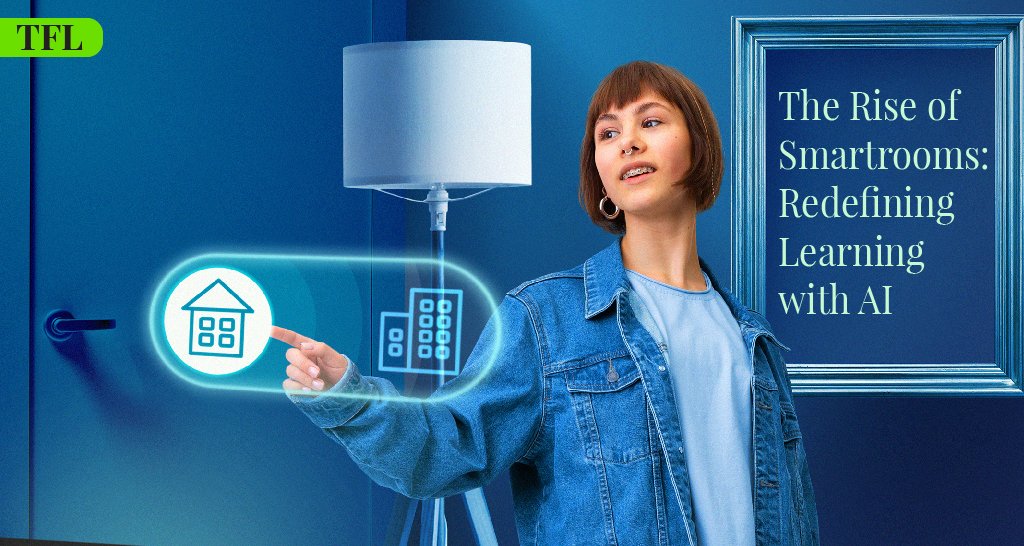
    The Rise of Smartrooms: Redefining Learning with AI

    The traditional classroom, once characterized by chalkboards, textbooks, and in-person lessons, is experiencing a remarkable shift. With artificial intelligence (AI) transforming industries around the globe, education is moving away from rigid, one-size-fits-all teaching methods and embracing a more dynamic, data-driven approach that caters to the unique needs of each student. The emergence of “smartrooms” signals a new chapter where technology and education come together to foster more engaging, inclusive, and effective learning environments.

    At its heart, using AI in education is all about making learning personal. Every student has their own unique way of grasping information some thrive with visuals, while others learn best through hands-on practice or engaging discussions. Thanks to AI-driven learning platforms, we can now track a student’s progress in real time, pinpointing their strengths and weaknesses, and then tailoring the content to match their individual learning style. This kind of customization makes sure that every student gets the support they need, while also keeping advanced learners on their toes with new challenges

    Teachers are discovering that AI can be a fantastic partner in their work. These smart systems can take care of those tedious administrative tasks like grading assignments, keeping track of attendance, and analyzing performance data. This gives educators more time to focus on what really matters: teaching and mentoring their students. Plus, tools like AI-driven chatbots are there to help students even after school hours, answering questions, providing study materials, and giving instant feedback.

    AI is not just about being efficient; it’s also transforming the way we learn by making it more engaging. In smart classrooms, technologies like virtual reality (VR) and augmented reality (AR) are being integrated, all thanks to AI algorithms. These innovative tools allow students to dive into complex topics in a hands-on way whether it’s dissecting a virtual frog, exploring the solar system, or wandering through historical landmarks. These kinds of experiences not only make learning stick but also help connect the dots between theory and real-world application

    AI is truly breaking down barriers when it comes to accessibility. Thanks to advancements in speech recognition, translation, and adaptive learning tools, students with disabilities or those who speak different languages can now interact with educational content in ways that cater to their unique needs. This push for inclusivity is playing a vital role in democratizing education, ensuring that quality learning opportunities are available to a wider audience across the globe.

    As AI becomes a regular part of the classroom, it brings up some crucial questions about privacy, ethics, and the role of human teachers. The future of education needs to find a way to blend technological advancements with the empathy, creativity, and critical thinking skills that only humans can offer.

    From traditional classrooms to cutting-edge smartrooms, AI is not here to take over the role of teachers; it is here to uplift them. It is reshaping education into a more personalized, engaging, and inclusive journey, equipping students not just to ace their exams, but to flourish in a world where technology and humanity evolve together.


  • Trump To Dismantle The U.S Department Of Education

    Trump To Dismantle The U.S Department Of Education

    As the Trump administration endeavors to dismantle the Department of Education, the public school system, which serves approximately 50 million students, is undergoing significant transformations. Consequently, the U.S. education landscape is proactively exploring strategies to mitigate the effects of reduced support, particularly through the integration of technology and, more specifically, artificial intelligence.

    The federal government is significantly decreasing, if not completely removing, its educational support, which accounts for over thirteen percent of a school’s total funding, based on the latest data. This reduction is evident in its focus on states that do not dismantle diversity, equity, and inclusion initiatives, as well as its actions concerning the Department of Education’s programs related to disabilities and special education. As the landscape of education in the country changes, both educators and students are increasingly utilizing AI tools, including OpenAI’s ChatGPT and various AI-driven educational and video learning platforms, to address existing gaps.

    Nhon Ma, CEO and co-founder of Numerade, a STEM education platform, stated, “This is certainly regrettable, particularly for Title I schools. Title, I school districts are granted additional financial support to assist children from low-income families, aiming to ensure that all children have a substantial opportunity to access a fair, equitable, and high-quality education, while also addressing educational achievement disparities through the allocation of federal funds for educational programs and services.”

    Transforming the traditional 7-hour school day

    Mackenzie Price, the co-founder of the tech-driven 2 Hour Learning protocol and a network of private schools, in addition to being the host of the Future of Education podcast, contends that the current difficulties faced by students indicate a pressing need for change.

    Price stated, “I do not believe that funding is directly linked to outcomes. The present political administration aims to provide greater options to states and communities. When we consider personalized learning and what is most effective for each child, it seems reasonable to enable families to discover the educational approach that suits their child best.”

  • Hybrid Learning Models: Combining In-Person and Online Education

    Hybrid Learning Models: Combining In-Person and Online Education

    In recent years, there has been a notable transformation in the educational landscape due to the emergence of hybrid learning models. These models integrate the most effective elements of traditional in-person education with online learning, resulting in a flexible and dynamic educational approach that accommodates various needs and learning preferences. As we progress further into the digital era, hybrid learning is gaining traction in educational institutions, including schools, colleges, and universities across the globe.

    Hybrid learning integrates traditional classroom engagement with online educational experiences, enabling students to take advantage of both settings. In a standard hybrid framework, certain lessons are taught in person, while others are facilitated via digital platforms, including virtual classrooms, video lectures, or collaborative online discussions. This approach offers students the flexibility to learn at their own pace and according to their individual schedules, while still preserving crucial aspects of face-to-face interaction, such as collaboration with peers and direct engagement with educators.

    One of the primary benefits of hybrid learning is its inherent flexibility. Students can access course materials, assignments, and resources via the internet, enabling them to engage in learning beyond the confines of conventional classroom hours. This aspect is especially advantageous for individuals with demanding schedules or those residing at a considerable distance from educational facilities. The online elements also facilitate a more tailored learning experience, allowing students to review lectures, partake in self-directed exercises, or join online discussions, thereby enhancing their understanding of the material.

    Additionally, hybrid learning promotes a combination of independence and teamwork. Students are motivated to take charge of their educational journey through online modules, while also having the chance to engage with classmates and instructors during in-person sessions. This approach enhances active involvement and enriches their comprehension of the subject matter. The integration of these two learning modalities can enhance student engagement and improve overall educational results.

    From an institutional standpoint, hybrid learning enhances reach and accessibility. It has the capacity to serve a greater number of students, mitigate logistical difficulties, and facilitate innovative pedagogical approaches. Furthermore, institutions can modify content delivery in response to feedback, ensuring that both online and face-to-face components effectively address student requirements.

    Hybrid learning presents certain challenges. A significant number of students may lack access to essential technology or a reliable internet connection, which can impede their capacity to engage fully. Furthermore, educators are required to modify their instructional strategies to accommodate both online and face-to-face settings, necessitating further training and preparation. In summary, hybrid learning models signify a hopeful advancement in the field of education, integrating the most advantageous elements of both conventional and digital learning approaches. Despite the presence of certain challenges, the advantages of greater flexibility, tailored learning experiences, and improved collaboration render hybrid learning an effective instrument for contemporary education.

  • Corporate Partnerships with EdTech Companies to Reskill the Workforce

    Corporate Partnerships with EdTech Companies to Reskill the Workforce

    In the current fast-changing employment landscape, the importance of ongoing skill enhancement has reached unprecedented levels. As technological innovations transform various sectors, organizations are coming to understand that conventional recruitment methods are inadequate. To maintain their competitive edge, companies are compelled to invest in the reskilling of their existing employees. Corporate collaborations with EdTech firms are proving to be instrumental in this transformative process.

    The Need for Reskilling

    The ongoing advancements in automation, artificial intelligence, and various other innovations are significantly transforming the employment landscape, leaving numerous employees vulnerable to becoming obsolete. A report from the World Economic Forum indicates that by 2025, approximately 85 million jobs may be lost, while 97 million new positions could emerge. This transition necessitates not only the recruitment of new talent but also emphasizes the importance of upskilling and reskilling the current workforce to adapt to these changes.

    How EdTech Companies Support Corporate Reskilling

    EdTech companies are distinctly equipped to meet these demands by delivering scalable and adaptable learning solutions. By utilizing digital platforms, customized learning pathways, and targeted training programs, these firms offer organizations a cost-efficient method to improve employee competencies. Additionally, EdTech companies leverage data analytics to monitor progress and pinpoint skill deficiencies, thereby ensuring that reskilling efforts are in harmony with both individual development and corporate goals.

    Collaborations between corporations and EdTech companies offer employees the flexibility to engage in learning at their own pace and according to their own schedules, a crucial aspect in the contemporary fast-moving work landscape. With a wide range of courses available, including coding, data analytics, leadership development, and soft skills training, employees are equipped to develop the necessary competencies to succeed in today’s professional environments.

    Benefits for Companies

    The benefits of collaborating with EdTech companies for businesses go well beyond merely enhancing workforce capabilities. Primarily, reskilling initiatives contribute to lower employee turnover by fostering greater job satisfaction and loyalty. When employees recognize their organization’s dedication to their professional development, they are more inclined to remain with the company. Furthermore, such partnerships can assist organizations in bridging the talent gap, especially in sectors experiencing high demand, including technology, engineering, and digital marketing.

    Furthermore, offering educational opportunities reflects an organization’s dedication to cultivating a culture of ongoing enhancement. This approach not only boosts productivity but also draws in high-caliber talent who are enthusiastic about engaging in workplaces that emphasize learning and professional growth.

    Corporate collaborations with EdTech firms represent a mutually beneficial strategy in the current dynamic employment landscape. As companies encounter mounting challenges to maintain their competitive edge, committing to reskilling programs guarantees that their workforce possesses the necessary skills for success. By fostering these alliances, organizations can cultivate a more robust, flexible, and future-oriented workforce, thereby promoting sustained success in the long run.

  • Empowering Leaders To Navigate Work-Life Uncertainties In Today’s World

    Empowering Leaders To Navigate Work-Life Uncertainties In Today’s World

    In the contemporary landscape characterized by swift changes, leaders encounter challenges that are unparalleled. Conventional methods of organizational management and maintaining work-life balance have become inadequate in tackling the intricacies of today’s business climate. With factors such as global economic fluctuations, technological advancements, and an increasing demand for adaptable work structures, it is essential for leaders to adeptly maneuver through uncertainties with agility, resilience, and compassion. Equipping leaders to effectively confront these challenges is vital for the success of organizations as well as the well-being of employees.

    A fundamental approach to empowering leaders is by fostering a culture of continuous learning. In a time characterized by perpetual change, it is essential for leaders to dedicate themselves to acquiring new skills and implementing innovative strategies. This encompasses not only technical competencies associated with emerging technologies but also essential soft skills such as emotional intelligence, effective communication, and conflict resolution. Leaders who cultivate a growth mind-set are more adept at navigating evolving circumstances and steering their teams through uncertain times.

    Leadership development initiatives ought to emphasize the cultivation of resilience. Resilience refers to the capacity to recover from difficulties, maintain concentration in high-pressure situations, and motivate teams during adverse circumstances. Leaders who exemplify resilience can foster a sense of optimism and direction within their teams, thereby ensuring that employees stay engaged and driven even in the face of external obstacles. Instruction in mindfulness practices, stress management, and emotional regulation can assist leaders in enhancing their own resilience while also providing support to their teams during challenging times.

    Empathy stands out as an essential quality for contemporary leaders. The increasing overlap between professional and personal spheres, especially with the growth of remote work, has resulted in employees encountering unprecedented levels of stress. Leaders who recognize the difficulties their team member’s experience, both in their professional roles and personal lives, are better positioned to cultivate trust and promote a more nurturing workplace. By providing flexibility, advocating for work-life balance, and attentively addressing employees’ concerns, leaders can establish a culture in which individuals feel appreciated and supported.

    Furthermore, enabling leaders to navigate uncertainty requires granting them the freedom to make decisions and explore innovative strategies. In environments characterized by uncertainty, micromanagement proves to be detrimental. It is essential to place trust in leaders to make informed decisions based on the information at hand, while also encouraging them to undertake calculated risks. Establishing a secure environment for innovation empowers teams to investigate new solutions and swiftly adjust to evolving situations.

    In summary, equipping leaders to manage the complexities of work-life balance necessitates a comprehensive strategy. By offering continuous development opportunities, promoting resilience and empathy, and allowing leaders the freedom to make decisions, organizations can create a setting in which both leaders and employees can flourish in the face of uncertainty. This forward-thinking leadership strategy not only enhances organizational performance but also contributes to a healthy, engaged, and resilient workforce.

  • Affordable Security Solutions for Your Company’s Needs

    In an era where cybersecurity threats are increasingly prevalent and sophisticated, ensuring the protection of sensitive data and digital assets has become paramount for businesses of all sizes. Recognizing the importance of robust security measures, companies are actively seeking affordable solutions that effectively safeguard their operations and assets. From startups to established enterprises, organizations are turning to cost-effective security solutions tailored to their specific needs.

    One such solution gaining traction in the business community is the implementation of affordable security measures that prioritize effectiveness without breaking the bank. These solutions encompass a range of strategies and technologies designed to mitigate risks and enhance resilience against cyber threats, physical breaches, and other security vulnerabilities.

    One notable aspect of affordable security solutions is their adaptability to the unique requirements of each company. Whether it’s a small business with limited resources or a large corporation with complex security needs, these solutions can be customized to fit the budget and scale of operations. By conducting thorough risk assessments and prioritizing critical assets, companies can identify the most cost-effective security measures to deploy.

    One cost-effective approach

    Security is the adoption of cloud-based security solutions. Cloud computing offers businesses access to robust security tools and services without the need for significant upfront investment in infrastructure or personnel. Cloud-based security solutions provide protection against malware, phishing attacks, data breaches, and other cyber threats while offering scalability and flexibility to accommodate changing business needs.

    Furthermore, many companies are leveraging open-source security tools and platforms as a cost-effective alternative to proprietary software solutions. Open-source security software, developed and maintained by a community of contributors, offers businesses access to advanced security features and functionalities at a fraction of the cost of commercial solutions. By harnessing the power of open-source technologies, companies can fortify their defenses against cyber threats without incurring prohibitive expenses.

    Training and Awareness Programs

    Additionally, affordable security solutions encompass employee training and awareness programs aimed at promoting a culture of security within the organization. Educating employees about cybersecurity best practices, data protection protocols, and the importance of maintaining vigilance against potential threats can significantly reduce the risk of security incidents stemming from human error or negligence.

    In conclusion,

    Affordable security solutions offer businesses a cost-effective means of fortifying their defenses against evolving cyber threats and security challenges. By prioritizing effectiveness, adaptability, and scalability, these solutions enable companies to safeguard their operations, protect sensitive data, and mitigate the risk of security breaches without exceeding budget constraints. As the threat landscape continues to evolve, investing in affordable security measures tailored to the specific needs of the organization remains essential for maintaining resilience and ensuring business continuity.

  • 5 Common Web Conversion Myths for New Business Owners

    In today’s digital age, establishing an online presence is essential for any new business looking to thrive in the competitive landscape. With the potential to reach a global audience, a well-designed website can serve as a powerful tool for driving conversions and generating revenue. However, amidst the plethora of advice and strategies available, new business owners must be wary of falling prey to common misconceptions that could hinder their web conversion efforts.

    Here are 5 misconceptions that new business owners should avoid:

    More Traffic Equals More Conversions:

    While attracting high volumes of traffic to your website is undoubtedly beneficial, it does not guarantee an increase in conversions. Quality over quantity is key, as targeted traffic consisting of genuinely interested individuals is more likely to convert into customers. Instead of solely focusing on increasing traffic, prioritize strategies that engage and resonate with your target audience to drive meaningful conversions.

    Aesthetic Design Trumps Functionality:

    While an aesthetically pleasing website can leave a positive impression on visitors, prioritising design over functionality can be detrimental to conversion rates. A visually appealing website must also offer intuitive navigation, fast load times, and easy access to essential information. Balancing aesthetics with functionality ensures a seamless user experience, ultimately leading to higher conversion rates.

    Conversion Rate Optimization is a One-Time Effort:

    Achieving optimal conversion rates requires ongoing effort and continuous optimization. Many new business owners make the mistake of assuming that once their website is launched, conversion optimization is complete. In reality, regularly analyzing data, testing different elements, and making iterative improvements are essential to keep up with evolving user preferences and market trends.

    Discounts and Promotions Always Drive Conversions:

    While discounts and promotions can be effective in incentivizing purchases, relying solely on price incentives to drive conversions may devalue your products or services in the eyes of consumers. Instead, focus on offering value through quality products, exceptional customer service, and unique selling propositions. Emphasizing the benefits and value proposition of your offerings can lead to more sustainable and profitable conversions in the long run.

    Ignoring Mobile Optimization:

    With the increasing prevalence of smartphones and tablets, mobile optimization is no longer optional—it’s imperative. Neglecting to optimise your website for mobile devices can result in a poor user experience, leading to high bounce rates and lost conversions. Ensure that your website is responsive, loads quickly on mobile devices, and provides a seamless browsing experience across all screen sizes.

    In conclusion, new business owners must navigate through the noise of misconceptions surrounding web conversion optimization to achieve success online. By prioritizing targeted traffic, balancing design with functionality, embracing continuous optimization, focusing on value proposition, and prioritizing mobile optimization, businesses can maximize their conversion rates and propel growth in the digital realm.

  • Empowering Minds: Nurturing Growth and Success Through Education

    Empowering Minds: Nurturing Growth and Success Through Education

    Introduction:

    Education is the cornerstone of personal and societal development, providing the tools and knowledge necessary for individuals to thrive in a rapidly changing world. In this blog, we’ll explore the multifaceted realm of education, examining its transformative power, current challenges, and the pivotal role it plays in shaping the future of individuals and societies.

    The Transformative Power of Education:

    • Education goes beyond imparting facts and figures; it shapes individuals into critical thinkers, problem solvers, and lifelong learners. We’ll delve into how education empowers minds, fosters creativity, and lays the foundation for personal and professional success.

    Innovations in Teaching and Learning:

    • Explore the evolving landscape of education with a focus on innovative teaching methods and technologies. From online learning platforms to immersive experiences, discover how education is adapting to the needs of the digital age.

    Challenges in Modern Education:

    • Despite its importance, education faces numerous challenges. We’ll discuss issues such as access to quality education, the impact of socioeconomic disparities, and the evolving role of educators in addressing the diverse needs of students.

    The Role of Technology in Education:

    • Technology is revolutionizing the way we learn and teach. Uncover the influence of digital tools, virtual classrooms, and artificial intelligence in enhancing educational experiences and expanding access to knowledge globally.

    Lifelong Learning and Skill Development:

    • In a world where skills evolve rapidly, the concept of lifelong learning has gained prominence. Explore how individuals can embrace continuous education to adapt to changing demands in the job market and pursue personal growth.

    The Importance of Early Childhood Education:

    • Early childhood education lays the groundwork for a child’s future. We’ll discuss the significance of early learning experiences, their impact on cognitive development, and the role of educators in shaping young minds.

    Education for Global Citizenship:

    • In an interconnected world, fostering a sense of global citizenship is crucial. Learn how educational institutions are incorporating global perspectives, cultural awareness, and social responsibility into their curricula to prepare students for a diverse and interconnected future.

    The Future of Education:

    • Peer into the future of education, exploring emerging trends, possibilities, and the role of education in addressing global challenges. From personalized learning to the integration of artificial intelligence, envision the transformative potential of education in the years to come.

    Conclusion:

    As we navigate the vast landscape of education, it becomes clear that it is more than a process; it’s a journey of discovery and growth. This blog aims to celebrate the transformative power of education while addressing the challenges and innovations that shape its trajectory. Join us in exploring the profound impact of education on individuals, communities, and the world at large.

  • ISRO’s PSLV-C56 Mission: India Achieves Success in Launching 7 Foreign Satellites into Space

    ISRO’s PSLV-C56 Mission: India Achieves Success in Launching 7 Foreign Satellites into Space

    Remarkable Demonstration of India’s Growing Prowess in Space Technology

    The Indian Space Research Organisation (ISRO) has achieved yet another milestone with the successful launch of the ISRO’s PSLV-C56 Mission from Sriharikota, Andhra Pradesh. The launch, which included seven satellites, marks a significant achievement not only for India’s space endeavors but also for fostering international collaboration in space research.

    ISRO’s PSLV-C56 Mission

    The main highlight of the PSLV-C56 mission is the DS-SAR satellite, a collaborative effort between Singapore’s government Defense Science and Technology Agency (DSTA) and ST Engineering. Weighing 360 kg, the DS-SAR satellite is equipped with an advanced Synthetic-aperture radar (SAR) from Israel Aerospace Industries (IAI). This radar technology offers unparalleled capabilities, providing high-resolution imaging with 1-meter resolution even in challenging weather conditions and during day and night. The applications of this advanced satellite are far-reaching, including disaster damage assessment, land use monitoring, deforestation tracking, security operations support, and commercial applications such as oil and gas exploration, agriculture monitoring, and infrastructure assessment.

    The DS-SAR satellite was strategically launched into a Near-equatorial Orbit (NEO) at an altitude of 535 km, perfectly aligning with the imaging requirements of the Singaporean government agencies and ST Engineering’s commercial clientele. This orbit enhances the satellite’s efficacy in fulfilling its intended purposes and meeting the diverse needs of its users.

    PSLV-C56 mission

    Additionally, the PSLV-C56 mission featured six co-passenger satellites, showcasing India’s space technology expertise and its commitment to fostering international partnerships in space research. These co-passenger satellites include:

    • VELOX-AM: A microsatellite designed for technology demonstration.
    • ARCADE: An experimental satellite dedicated to exploring atmospheric coupling and dynamics.
    • SCOOB-II: Embarking with a nanosatellite carrying a payload to demonstrate cutting-edge technology.

    NuLIoN by NuSpace:

    An advanced technology nanosatellite aimed at ensuring seamless IoT connectivity in urban and remote areas.

    • Galassia-2: A nanosatellite positioned in low Earth orbit.
    • ORB-12 STRIDER: A satellite developed through global cooperation.

    Highlighting its commitment to responsible space practices, ISRO will maneuver the upper stage of PSLV-C56 to a lower orbit after deploying all the satellites. By doing so, ISRO aims to contribute to space sustainability and mitigate potential hazards stemming from space debris.

    The successful launch of the PSLV-C56 mission, featuring the DS-SAR satellite and co-passenger payloads, stands as a momentous achievement for both ISRO and India’s strides in space exploration. This accomplishment underscores India’s robust space technology capabilities and underscores the vital role of international collaboration in advancing space research. Collaborative missions like PSLV-C56 exemplify the potential to expand our understanding of the universe and its marvels, propelling us to further explore and push the boundaries of space technology. ISRO’s collaborative efforts with its global partners, employing cutting-edge satellite technology, are instrumental in addressing worldwide challenges, Earth monitoring, and facilitating diverse applications for governments and industries across the globe.