newdemo.thefortuneleader.com

Category: HEALTHCARE

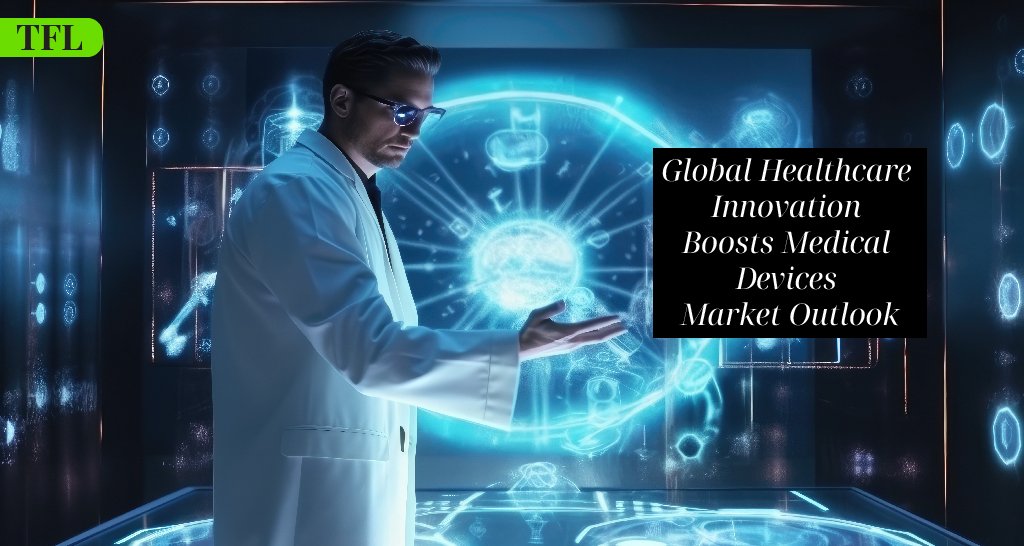
  • Global Healthcare Innovation Boosts Medical Devices Market Outlook

    Global Healthcare Innovation Boosts Medical Devices Market Outlook

    The global medical devices market is on track for impressive growth, fueled by cutting-edge technology, increased investments in healthcare, and a growing need for sophisticated diagnostic and treatment tools. Experts predict that this market could surpass $800 billion by 2030, thanks to the strong push in digital health, wearable tech, and minimally invasive devices.

    The growth of the industry is being driven by changes in demographics, like an aging population and the increasing rates of chronic illnesses such as diabetes and heart disease. These trends are encouraging both healthcare systems and consumers to embrace smarter, data-driven approaches for prevention and monitoring.

    The integration of artificial intelligence (AI) and the Internet of Things (IoT) is really shaking things up in the healthcare sector. More companies are adding sensors and connectivity features to traditional medical devices, which allows for continuous data collection and predictive analytics. This change is not only improving early diagnosis and treatment accuracy but also cutting down on hospital visits a huge benefit for healthcare systems that are now more focused on efficiency and cost savings in the wake of the pandemic.

  • How Cloud Technology is Transforming Modern Healthcare Systems

    How Cloud Technology is Transforming Modern Healthcare Systems

    In today’s fast-paced world, cloud technology is becoming a key player in transforming how healthcare operations function. More health systems are turning to cloud-based infrastructure to enhance everything from delivering clinical care to managing administrative tasks, and the effects are truly significant.

    At the core of this transformation is a shift from outdated, on-premises systems to more scalable and flexible cloud platforms. Traditional infrastructure often found it tough to keep up with spikes in data, the growing demands of telehealth, and the need for quick innovation. By embracing cloud solutions, healthcare organizations can adjust their resources on the fly, roll out new services swiftly, and handle varying workloads with greater efficiency.

    Operational efficiency is on the rise too. By adopting cloud-first strategies, healthcare providers can cut down on costly infrastructure and switch to a pay-as-you-go model. This shift has significant benefits for managing costs and enhancing flexibility. Plus, using cloud-based automation helps simplify administrative tasks like scheduling appointments, handling billing, and distributing lab results.

    When it comes to clinical care, cloud platforms really shine by making it easier to coordinate everything. Patient data can be accessed, shared, and analysed seamlessly across different systems and locations. This is especially important for telehealth, remote monitoring, and initiatives aimed at improving population health. With the cloud as the backbone, hospitals and clinics can roll out patient-facing portals, home care platforms, and real-time monitoring on a large scale.

    The cloud plays a crucial role in enhancing security and data governance. With healthcare being a prime target for cyber threats, cloud providers are pouring resources into strong encryption, advanced threat detection, automated updates, and compliance measures.

    Moving to the cloud successfully comes with its own set of hurdles. Organizations need to carefully weave in their existing systems, help staff navigate the changes, agree on data governance policies, and select the right cloud deployment model whether that’s public, private, or hybrid tailored to their operational, clinical, and regulatory requirements.

    In short, cloud technology has become essential in healthcare. It is not just an option anymore; it is a key player in modernizing operations, enhancing patient experiences, streamlining costs, and sparking innovation in care. Organizations that adopt it with care will find themselves in a stronger position for the future of healthcare delivery.

  • As Patients Go Virtual, Telehealth Use Increases By 30%

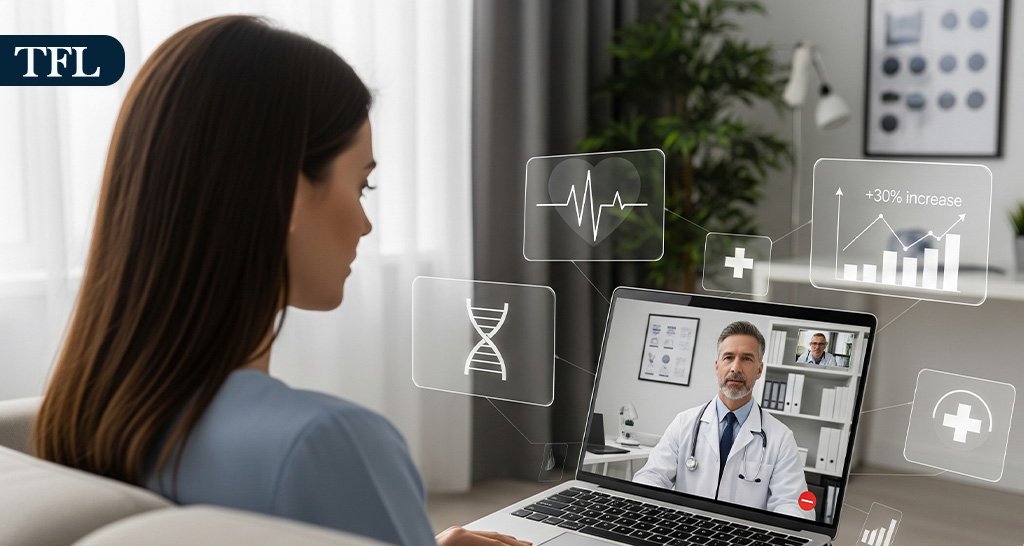
    As Patients Go Virtual, Telehealth Use Increases By 30%

    As more people look for safe, flexible, and convenient alternatives to in-person medical visits, patient reliance on telehealth solutions has increased by almost 30% in recent months.

    Virtual appointments now make up 6% of all medical encounters in the United States, up from about 4% in 2022, according to industry reports. According to ScienceSoft, if regulatory extensions are maintained and reimbursement structures are still advantageous, telehealth may account for as much as 30% of all U.S. medical visits by 2026.

    53% of Americans now choose telehealth over traditional office visits, with 68% citing convenience as the primary motivator, according to data compiled by Harmony Healthcare IT based on surveys of about 1,000 patients. Younger adults are most affected by these trends: roughly 70% of users are between the ages of 18 and 44, while Baby Boomers adopt technology at a rate of about 38% because of comfort gaps. In response, hospitals and health systems are expanding their virtual offerings beyond primary care to include mental health, chronic disease management, and remote patient monitoring. As of early 2025, nearly 79% of U.S. hospitals provide telemedicine services. In fact, even after the pandemic’s peak, mental health services continue to be especially resilient, accounting for 25% of telehealth visits and maintaining high engagement levels.

    Physicians recognise the advantages, which include lower no-show rates, easier access for patients in remote areas and those with limited mobility, and more efficient workflows. While 83–95% of patients say they are satisfied with virtual care, more than 50% of providers report fewer no-shows. Some, however, express worries about gaps in reimbursement and diagnostic limitations. SingleCarerand.org.

    Developments in policy have been crucial. Acceptance is increasing through at least September 30, 2025, thanks to recent extensions of Medicare telehealth flexibilities that cover services provided from home and expanded provider eligibility. Congressional decisions about long-term regulatory support will determine future expansion.

    All things considered, telehealth has evolved from a pandemic-era emergency to a commonplace aspect of healthcare provision. As long as policy and reimbursement keep up, remote care seems set to remain a key component of medical services, with usage approaching 30% of visits, patient demand skyrocketing, and provider infrastructure growing more resilient.

  • Intermittent Fasting: Science, Benefits, And Latest Trends

    Intermittent Fasting: Science, Benefits, And Latest Trends

    In recent years, intermittent fasting (IF) has emerged as a widely embraced method for weight management, enhancing metabolic health, and fostering overall wellness. This approach is not merely a transient trend, scientific research is increasingly validating the substantial benefits of intermittent fasting on the body. Its influence extends from cellular health to its possible contributions to longevity, making it a topic of interest for both health advocates and researchers alike.

    What is Intermittent Fasting?

    Intermittent fasting is an eating pattern that alternates between intervals of fasting and eating. It focuses not on limiting the types of food consumed, but on the timing of consumption. Various popular methods exist, including:

    16/8 method: This is a prevalent method in which individuals abstain from food for a duration of 16 hours and consume their meals within an 8-hour timeframe.

    5:2 method: In this method, you consume a regular diet for five days each week while limiting your caloric intake to approximately 500-600 calories on the other two days.

    Eat-Stop-Eat: Fasting for a duration of 24 hours once or twice each week is involved.

    Alternate-day fasting: This entails switching between a day of fasting and a day of regular eating.

    The Science Behind Intermittent Fasting

    Intermittent fasting influences the body at both cellular and hormonal levels. During periods of fasting, various processes occur within the body that contribute to improved health and weight reduction.

    Insulin Sensitivity: One significant advantage of intermittent fasting is the enhancement of insulin sensitivity. When fasting occurs, insulin levels decrease, enabling the body to effectively use stored fat as a source of energy, thereby facilitating weight loss. Additionally, reduced insulin levels may contribute to a lower risk of developing type 2 diabetes in the long run.

    Increased Growth Hormone Production: Growth hormone plays a vital role in facilitating fat loss and promoting muscle development. The process of fasting enhances the secretion of this hormone, which aids in maintaining lean muscle mass while simultaneously reducing fat.

    Improved Metabolism: Intermittent fasting has been demonstrated to enhance metabolism through the elevation of norepinephrine levels. This hormone plays a crucial role in the breakdown of fat cells and the acceleration of calorie expenditure, thereby aiding in fat loss.

    Benefits of Intermittent Fasting

    Intermittent fasting serves not only as a method for weight reduction but also offers extensive health advantages.

    Weight Loss and Fat Loss: Individuals primarily adopt intermittent fasting for the purpose of managing their weight. By establishing a designated eating period, the body inherently reduces calorie intake, potentially leading to weight reduction. Additionally, fasting encourages the body to transition from utilizing glucose as its main energy source to metabolizing fat, thereby promoting fat loss.

    Improved Heart Health: Research indicates that intermittent fasting may enhance cardiovascular health by reducing various risk factors, including cholesterol levels, blood pressure, and markers of inflammation. Certain studies have demonstrated that individuals who engage in intermittent fasting exhibit decreased levels of LDL cholesterol and improved triglyceride levels.

    Enhanced Brain Function: Fasting has been associated with enhanced brain health through the increased production of brain-derived neurotrophic factor, a protein that plays a crucial role in the growth and preservation of brain cells. Additionally, the process of autophagy that occurs during fasting aids in the removal of toxins from the brain, which may lower the likelihood of developing neurodegenerative diseases.

    Latest Trends in Intermittent Fasting

    Intermittent fasting is undergoing continuous development, with recent trends offering more refined strategies and a greater comprehension of its advantages.

    Time-Restricted Eating: A recent trend gaining attention is a more concentrated method of fasting referred to as time-restricted eating (TRE). This approach to intermittent fasting limits food consumption to a designated time frame, for instance, from 10 AM to 6 PM. Research suggests that this practice may synchronize with the body’s inherent circadian rhythm, which could enhance sleep quality, metabolic function, and facilitate weight loss.

    Intermittent Fasting for Women: Intermittent fasting has gained significant popularity; however, emerging research indicates that women may require a distinct approach to fasting. Certain studies propose that prolonged fasting could interfere with hormonal equilibrium in women, especially in those experiencing irregular menstrual cycles. Consequently, experts advocate for a more adaptable strategy for women, highlighting the importance of shorter fasting durations and vigilant observation of menstrual health.

    Integration with Exercise: The integration of intermittent fasting with physical exercise is becoming increasingly popular. Many fitness aficionados are utilizing fasting intervals to improve fat loss during their workouts, as the body is believed to metabolize fat more efficiently in a fasted condition. Nevertheless, specialists advise that engaging in high-intensity training while fasting may not be appropriate for all individuals and suggest collaborating with a professional to customize this method.

    The Final Lines

    Intermittent fasting presents numerous scientifically supported health advantages, including weight reduction and enhancements in cognitive and cardiovascular health. This method of eating is versatile and can be tailored to accommodate different lifestyles and individual preferences. As ongoing research progresses, it is anticipated that new trends and techniques will arise, further expanding the scope of intermittent fasting within the wellness sector. For those seeking to shed pounds, boost metabolic health, or promote longevity, intermittent fasting could serve as a valuable strategy to explore.

  • How AI Is Revolutionizing Diagnostics, Treatment Planning, And Patient Monitoring

    How AI Is Revolutionizing Diagnostics, Treatment Planning, And Patient Monitoring

    Artificial Intelligence is swiftly reshaping the healthcare landscape, fundamentally changing the processes of diagnostics, treatment planning, and patient monitoring. Through the utilization of sophisticated algorithms and machine learning methodologies, AI is increasing the efficiency and precision of medical practices, thereby enhancing patient outcomes, and streamlining healthcare delivery.

    AI in Diagnostics

    AI’s most significant influence is currently observed in the realm of diagnostics. Machine learning algorithms possess the capability to scrutinize extensive volumes of medical data, including medical imaging, laboratory results, and patient histories, to uncover patterns that may elude human practitioners. For instance, AI technologies are employed to detect early indicators of diseases such as cancer, cardiovascular issues, and neurological conditions through medical imaging. These systems can identify subtle irregularities in X-rays, CT scans, MRIs, and various other imaging techniques, frequently achieving higher accuracy and speed than human specialists. AI-enhanced diagnostic systems, particularly in radiology, are already assisting physicians in delivering quicker and more precise diagnoses, which facilitates earlier interventions and improves patient outcomes.

    AI in Treatment Planning

    AI is transforming treatment planning by delivering personalized care that aligns with the distinct attributes of each patient. In the field of oncology, for example, AI algorithms evaluate genetic information, tumor features, and patient medical history to suggest the most suitable treatment alternatives. This tailored methodology, referred to as precision medicine, allows healthcare providers to select the optimal treatment plan, enhancing effectiveness while minimizing side effects. Likewise, AI-driven decision support systems in specialties such as cardiology and orthopedics assist clinicians in formulating treatment strategies by considering various factors, including the patient’s medical background, lifestyle choices, and reactions to prior treatments.

    AI also plays a significant role in enhancing the drug development process. By utilizing machine learning models, researchers can forecast the interactions of various compounds with disease pathways. This capability allows for a more rapid identification of new medications and therapies, potentially expediting the introduction of life-saving drugs to the market, especially for rare or complex diseases.

    AI in Patient Monitoring

    AI is significantly improving patient monitoring, especially in the management of chronic illnesses. Wearable technology and intelligent devices that utilize AI algorithms are capable of continuously monitoring vital signs, including heart rate, blood pressure, and glucose levels. These devices can identify early indicators of potential complications, notifying both patients and healthcare professionals to take preventive measures before conditions escalate. Furthermore, AI-driven predictive analytics are being employed to anticipate patient decline, facilitating prompt interventions in intensive care units (ICUs) and emergency situations.

    The incorporation of artificial intelligence into diagnostics, treatment planning, and patient monitoring enables healthcare systems to provide care that is more precise, individualized, and efficient. As AI technology advances, its capacity to enhance patient outcomes and lower healthcare expenses is substantial, influencing the trajectory of contemporary medicine.

  • Precision Oncology And Targeted Cancer Therapies: Revolutionizing Cancer Treatment

    Precision Oncology And Targeted Cancer Therapies: Revolutionizing Cancer Treatment

    Cancer continues to pose a significant challenge in contemporary medicine; however, recent developments in precision oncology and targeted therapies provide renewed optimism. In contrast to conventional cancer treatments that generally adopt a broad approach, precision oncology customizes treatment based on the unique characteristics of a patient’s cancer, considering the genetic profiles of both the cancer and the individual. This tailored strategy holds the promise of enhancing treatment outcomes while reducing adverse effects.

    What is Precision Oncology?

    Precision oncology represents a progressive domain within cancer treatment that utilizes comprehensive genetic data to guide therapeutic choices. This approach is predicated on the identification of the distinct molecular and genetic changes that contribute to cancer in each patient. By employing genomic testing, healthcare professionals can detect mutations, gene expression profiles, and various molecular indicators unique to the patient’s cancer. Consequently, this enables a more personalized treatment strategy, contrasting with the conventional “one-size-fits-all” approaches typically associated with chemotherapy and radiation.

    In precision oncology, the emphasis is placed on understanding the molecular foundations of the disease. For instance, the genetic profile of a tumor may uncover mutations or proteins that are overexpressed and contribute to the progression of cancer. Upon identifying these markers, healthcare professionals can choose therapies that directly address these irregularities, thereby protecting healthy cells and tissues from avoidable harm.

    Targeted Cancer Therapies: The Pillar of Precision Oncology

    Targeted therapies represent a fundamental aspect of precision oncology. These treatments are specifically engineered to address the molecular alterations that contribute to cancer development. By concentrating on the genetic and molecular weaknesses of cancer cells, targeted therapies can inhibit the signals that facilitate the growth, division, and dissemination of these cells.

    Certain targeted therapies operate by obstructing the abnormal proteins generated by mutations. Alternatively, some therapies aim to impede the development of blood vessels that nourish tumors or to rectify deficiencies in DNA repair processes. Medications such as tyrosine kinase inhibitors, monoclonal antibodies, and immune checkpoint inhibitors exemplify targeted therapies that have demonstrated considerable efficacy in the treatment of various cancers, including lung, breast, and colorectal cancers.

    Benefits of Precision Oncology and Targeted Therapies

    The main benefit of precision oncology lies in its capacity to provide more effective treatments while minimizing side effects. Conventional therapies, such as chemotherapy, frequently harm healthy cells in addition to targeting cancerous ones, resulting in significant side effects including hair loss, nausea, and fatigue. In comparison, targeted therapies tend to be more specific, resulting in a reduced incidence of adverse effects.

    Furthermore, precision oncology offers hope for individuals with cancers that were previously deemed challenging to manage. By uncovering the genetic foundations of a cancer, healthcare professionals may be able to discover novel and effective treatment options or combinations that had not been contemplated before.

    The Bottom Line

    Precision oncology and targeted cancer therapies signify a transformative change in the approach to cancer treatment, delivering more individualized and effective therapeutic alternatives. With ongoing research, it is anticipated that these therapies will continue to evolve, resulting in improved patient outcomes and enhanced quality of life. The future of cancer treatment is clearly moving towards greater precision and a focus on the patient, ushering in a new era of optimism for individuals impacted by the disease.

  • How Can You Get Ready for Your First Aid and  CPR Training Course?

    How Can You Get Ready for Your First Aid and  CPR Training Course?

    Training in CPR (cardiopulmonary resuscitation) and first aid is crucial for preparing people to handle situations professionally. Making the most of your course experience is ensured by preparing for it. Here are some essential pointers to help you prepare.

    Familiarize Yourself with Basic Concepts

    Although everything will be covered in detail in the course, it will help to have a basic awareness of First Aid and CPR. Look for online tutorials or videos that go over important techniques including wound care, rescue breathing, and chest compressions. This will facilitate learning the information during instruction.

    Dress Appropriately

    Physical exercise is a part of CPR training, as it requires practising chest compressions and floor placement. Put on loose, airy clothes that won’t restrict your movement. You should wear flat, supportive shoes because the lesson will require you to stand for a portion of it.

    Prepare Mentally and Physically

    Practical experience is required for the training, which can be physically taxing. Make sure you’ve had enough sleep the night before the lesson and stay hydrated. To process the training material more efficiently, it’s also critical to mentally prepare by approaching it with an open, relaxed attitude.

    Bring the Essentials

    While some training facilities offer materials, it is advisable to carry a notepad so you may take notes. Though many courses may supply these, it is advisable to bring a face shield or CPR mask if at all possible.

    You’ll feel confident and prepared to learn these life-saving skills if you make the appropriate preparations.

  • A Guide To Hormone-Susceptibility Foods For Women

    A Guide To Hormone-Susceptibility Foods For Women

    Women’s total health depends on hormone balance, which impacts everything from weight and reproductive health to mood and energy levels. You can naturally support your endocrine system and help control hormones like oestrogen, progesterone, and cortisol by include foods that balance hormones in your diet. Here’s a list of some of the greatest foods for women to balance their hormones.

    Leafy Greens

    Nutrient-dense leafy greens like spinach, kale and Swiss chard are abundant in magnesium, which helps regulate cortisol, the stress hormone, and improves adrenal function. They also include fibre, which helps with detoxifying and oestrogen balance.

    Healthy Fats

    Adding good fats, like those in avocados, olive oil, and fatty fish (like salmon), to your diet can increase the production of hormones like progesterone and oestrogen. In particular, omega-3 fatty acids promote brain function are involved in hormone regulation—and assist in lowering inflammation.

    Flaxseeds

    Lignans, which are abundant in flaxseeds, contain oestrogenic qualities and support homeostasis of the body’s oestrogen levels. They also include fibre, which helps the body rid itself of excess oestrogen and promotes digestive health.

    Fermented Foods

    Fermented foods, such as kimchi, sauerkraut, and yoghurt, include probiotics that can help with gut health, which is important for hormone balance. Maintaining the right balance of hormones, especially oestrogen, is aided by a healthy gut.

    Cruciferous Vegetables

    Compounds found in broccoli, cauliflower, and Brussels sprouts aid in the body’s detoxification and metabolism of excess oestrogen, supporting hormonal balance.

    You may enhance overall wellbeing and your body’s natural hormone balance by include these foods in your diet.

  • From Relief to Resilience: The Role Of Charities In Building Long-Term Sustainable Solutions

    From Relief to Resilience: The Role Of Charities In Building Long-Term Sustainable Solutions

    Charities play an important role in responding to immediate crises and delivering crucial relief during natural disasters, conflicts, and health catastrophes. However, their impact extends beyond short-term assistance. In recent years, there has been a substantial shift toward building long-term, sustainable solutions for increasing community resilience.

    Traditional charity strategies frequently prioritize urgent relief—food, housing, and medical care. While these measures help save lives, they do not address the root reasons of susceptibility. The move from relief to resilience underlines the need to encourage communities to become self-sufficient and better equipped to face future problems. This entails tackling systemic challenges like poverty, education, healthcare, and climate change adaptation.

    One way charities build resilience is by investing in education and skills training, which allows people to get jobs and escape the cycle of poverty. Furthermore, charities are increasingly working with local groups and governments to carry out sustainable development projects such as clean water initiatives, renewable energy solutions, and sustainable agriculture.

    Furthermore, charities are including resilience development in disaster response plans. This involves assisting communities in improving infrastructure and disaster preparedness, allowing them to recover more quickly and prevent future risks.

    Charities that focus on long-term resilience are not only responding to disaster but also actively promoting sustainable development, allowing vulnerable communities to prosper in the face of future challenges.

  • Exploring the Comprehensive Benefits of Medicare Advantage Plans

    Exploring the Comprehensive Benefits of Medicare Advantage Plans

    In the realm of healthcare coverage for seniors, Medicare Advantage plans have emerged as a popular alternative to traditional Medicare. Offering a comprehensive array of benefits, these plans are gaining traction among retirees seeking enhanced coverage and additional perks. Let’s delve into the manifold advantages that Medicare Advantage plans bring to the table.

    First and foremost, Medicare Advantage plans, also known as Medicare Part C, encompass all the benefits of Medicare Parts A and B, and often include prescription drug coverage (Part D). This consolidation streamlines the healthcare process for beneficiaries, providing a one-stop solution for their medical needs.

    One of the standout features of Medicare Advantage plans is their flexibility in coverage options. While traditional Medicare typically covers hospital and medical services, Advantage plans frequently offer additional benefits such as dental, vision, and hearing care. This expanded coverage addresses crucial aspects of senior health that may not be adequately covered by original Medicare.

    Moreover, many Medicare Advantage plans incorporate wellness programs and preventive care services. These initiatives encourage beneficiaries to prioritize their health through activities like gym memberships, fitness classes, and annual check-ups. By promoting proactive healthcare management, these plans aim to mitigate the onset of chronic conditions and improve overall well-being.

    Financially, Medicare Advantage plans often boast cost-saving advantages over traditional Medicare. With lower out-of-pocket expenses for services like doctor visits and hospital stays, beneficiaries can enjoy greater predictability in their healthcare spending. Additionally, some Advantage plans feature annual out-of-pocket maximums, providing a safety net against catastrophic medical costs.

    Furthermore, Medicare Advantage plans frequently include prescription drug coverage, alleviating the need for standalone Part D plans. This integration not only simplifies the enrollment process but also offers potential savings on medication expenses.

    Another notable benefit of Medicare Advantage plans is the inclusion of supplementary services like telehealth and caregiver support. Particularly in light of recent global events, the convenience and accessibility of virtual healthcare have become increasingly valued by seniors. Additionally, caregiver support services can provide invaluable assistance to beneficiaries requiring extra assistance with activities of daily living. In summary, Medicare Advantage plans offer a comprehensive suite of benefits that cater to the diverse needs of seniors. From expanded coverage options to financial savings and enhanced wellness initiatives, these plans represent a compelling alternative to traditional Medicare. As the healthcare landscape continues to evolve, Medicare Advantage plans stand out as a valuable option for retirees seeking comprehensive and affordable coverage.