newdemo.thefortuneleader.com

Category: INDUSTRY INSIDER

  • Dejan Štancer, President of the Global Chamber of Business Leaders

    Dejan Štancer, President of the Global Chamber of Business Leaders

    Global Diplomacy Through Business: A Visionary Conversation with Dejan Štancer, President of the Global Chamber of Business Leaders

    1. You have played a significant role in shaping international business diplomacy through the Global Chamber of Business Leaders. What inspired you to establish the organization?

    The Global Chamber of Business Leaders was born out of a simple but powerful realisation: the world was entering an age where political diplomacy alone was no longer enough. Economic influence, ethical leadership, and cross-border cooperation had become the true engines of stability. I founded GCBL because I believed that business leaders—when connected, principled and committed to cooperation—could become one of the strongest diplomatic forces of the 21st century.

    What inspired me was the need to create a platform where integrity would be stronger than division, where ideas would travel faster than conflict, and where global leaders could shape prosperity not by competing for advantage, but by building bridges. Today, I see that vision becoming reality.

    2. What mission or core purpose continues to drive the Global Chamber of Business Leaders today?

    Our mission is unwavering: to transform global leadership into a force for cooperation, responsibility, and sustainable progress.

    GCBL exists to connect influential leaders, to foster ethical decision-making, and to support initiatives that advance global peace, economic resilience, and responsible innovation.

    Through our programs, our Global Trends Magazine, and our Global Coalition for Cooperation and Peace, we are building a community that chooses collaboration over chaos and principles over profit.

    Our recently obtained special consultative status with the United Nations further strengthens our mandate: to contribute directly and constructively to shaping global policy and sustainable development.

    3. In your role as President of the Global Chamber of Business Leaders, how do you guide and oversee the organisation’s daily functioning and decision-making?

    As President of the Global Chamber of Business Leaders, I lead the organisation with a clear philosophy: global influence must be grounded in ethical governance, strategic clarity, and the strength of collective intelligence.

    GCBL is a complex, international structure—uniting leaders, institutions, diplomats, and innovators across continents. My role is to ensure coherence, direction, and integrity in everything we do. I oversee daily functioning through a combination of structured governance and empowered leadership. We have a strong executive framework, but our decision-making remains inclusive, transparent, and deeply aligned with our core mission.

    Every strategic decision we take—from global partnerships to UN engagement, from the work of our Global Coalition for Cooperation and Peace to the editorial line of Global Trends Magazine—is guided by one central question: Does this advance cooperation, stability, and responsible global progress?

    I believe that a leader’s task is not to centralise power but to build an ecosystem where excellent people can excel. At GCBL, I ensure that our teams operate with discipline, that our processes reflect the highest standards of accountability, and that our actions always honour the trust placed in us by global partners.

    In short, my responsibility is to safeguard the vision, uphold the standards, and ensure that GCBL remains one of the world’s most respected platforms for global business diplomacy.

    4. In your view, what key challenges and opportunities will global businesses face in 2025?

    2025 will be a decisive year—one where global businesses face both unprecedented risks and historic opportunities.

    The challenges are clear: geopolitical uncertainty, polarized societies, climate-linked disruptions, and the rapid acceleration of AI. But with these challenges come opportunities to rethink value creation, to innovate responsibly, and to build partnerships that cross traditional boundaries.

    Those who embrace ethical AI, sustainable practices, and international cooperation will not only survive—they will lead. Those who continue to act in isolation will struggle in a world where interdependence has become the new reality.

    In short: the winners of 2025 will be those who understand that the future is no longer built alone.

    5. Your leadership approach is often described as visionary and collaborative. What core values or philosophies guide your decision-making and leadership style?

    My leadership is grounded in five principles:

    Integrity, because leadership without ethics is simply power without purpose.
    Cooperation, because no major challenge today can be solved by one nation, one company, or one individual.
    Clarity, because people follow a leader who knows where he is going.
    Courage, because progress rarely comes from comfort.
    Responsibility, because influence means nothing without accountability.

    I believe a leader’s true strength lies not in raising his voice, but in raising the voices of others. Vision creates direction, cooperation delivers results.

    6. Looking ahead, what initiatives or strategic goals are you most focused on advancing through the Global Chamber of Business Leaders in the coming years?

    Our strategic priorities are ambitious, and intentionally so.

    We are expanding GCBL’s global network to strengthen economic diplomacy across all regions. We are deepening our work within the United Nations system, ensuring that the voice of responsible business leadership is present where global policy is shaped.

    The Global Coalition for Cooperation and Peace will remain central to our agenda—because peace is not an ideal, it is a strategy.

    We are also growing Global Trends Magazine into a global thought-leadership platform that challenges old narratives and introduces bold ideas for the future.

    Our goal is simple: to ensure that business leaders are not only participants in global change, but architects of it.

    7. What advice would you give to future entrepreneurs and leaders aspiring to make a global impact?

    First, build your character before you build your company. Integrity opens doors that money never will.

    Second, think globally from day one. The world is interconnected, and opportunities rarely stay within national borders.

    Third, surround yourself with people who challenge you, not those who agree with you. Innovation lives in diversity.

    And finally: never forget that leadership is not measured by how high you climb, but by how many people rise because of you.

    If you aspire to change the world, begin by changing the way you show up in it—every day, with courage, humility, and purpose.
  • Null Station: Where Creative Animation Meets Strategic Objective

    Null Station: Where Creative Animation Meets Strategic Objective

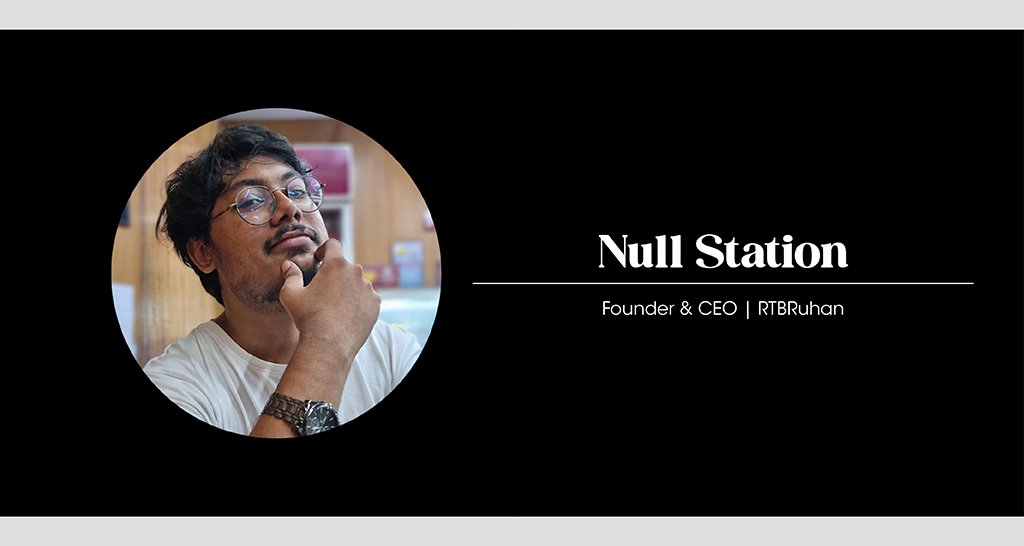
    Null Station is a trailblazing 3D animation studio based in Dhaka, Bangladesh, founded in 2021 by RTB Ruhan and Ratul Biswas. With a bold vision to elevate the region’s animation industry, the studio merges creativity with cutting-edge technology to deliver impactful, visually stunning content. Known for pioneering works like XD Bros, Bangladesh’s first 3D animated web series, and Bengal in 1869, the first AI-generated documentary in the country, Null Station continues to push the boundaries of digital storytelling. Their proprietary tools and strategic approach have helped clients achieve over $50 million in sales and fundraising. Recognized for innovation, Null Station is redefining how stories are told through animation.

    Inside the Interview

    1. Can you briefly share your professional journey and what inspired you to enter the engineering and design services field?

    At Null Station, our journey began with a shared passion for storytelling and a vision to revolutionize the animation industry in Bangladesh. Founded in 2021 by RTB Ruhan and Ratul Biswas, we recognized a gap in high quality 3D animation services within the region. Our backgrounds in design and technology, combined with a deep appreciation for visual storytelling, propelled us to establish a studio that not only delivers exceptional animations but also pushes the boundaries of what’s possible in the digital realm.

    2. What do you believe sets your organization apart in terms of innovation and client impact?

    Null Station stands out due to our commitment to innovation and our client centric approach. We’ve developed proprietary toolsets that streamline our production pipeline, allowing for faster turnaround times without compromising on quality. Our ability to blend traditional animation techniques with cutting edge technology enables us to create content that resonates with audiences globally. Notably, our projects like “XD Bros,” Bangladesh’s first 3D animated web series, and “Bengal in 1869,” the first AI generated documentary, showcase our dedication to pioneering new forms of storytelling.

    3. How do you stay ahead of technological trends and integrate them into your services or solutions?

    Staying ahead requires continuous learning and adaptability. We invest in research and development to explore emerging technologies such as AI driven animation, virtual reality (VR), and augmented reality (AR). Our team regularly attends international conferences, workshops, and collaborates with tech innovators to integrate the latest advancements into our workflow. This proactive approach ensures that our clients benefit from state of the art solutions that enhance their brand narratives.

    4. What has been one of your most challenging projects, and how did you overcome it?

    One of our most ambitious projects was “Steve Jobs | Pioneers of Change,” where we recreated a 3D animation of Steve Jobs announcing the iPhone 16, complete with AI generated voice. The challenge lay in authentically capturing the essence of a tech icon while navigating the ethical considerations of AI generated likenesses. Through meticulous research, ethical consultations, and leveraging advanced AI tools, we delivered a project that was both respectful and groundbreaking.

    5. Sustainability and efficiency are key concerns today. How do your engineering/design solutions address these issues?

    Sustainability is integral to our operations. We employ asset reuse strategies, optimizing resources by repurposing models and environments across projects. Our proprietary tools enhance efficiency, reducing energy consumption during rendering processes. Additionally, by offering virtual solutions like VR showrooms, we help clients minimize physical resource usage, aligning with global sustainability goals.

    6. How do you foster a culture of innovation and creativity within your team or organization?

    Our studio thrives on collaboration and continuous learning. We encourage team members to pursue passion projects, attend workshops, and share insights from various disciplines. Regular brainstorming sessions and an open door policy ensure that every idea is heard and valued. By cultivating an environment where creativity is celebrated, we empower our team to push creative boundaries.

    7. In what ways have client demands evolved over the past few years, and how have you adapted to meet them?

    Clients increasingly seek content that not only captivates but also drives specific outcomes like sales growth and fundraising success. At Null Station, we craft tailored 3D animations that align with these objectives, blending creativity with strategic messaging to enhance marketing campaigns and fundraising efforts. Our work has contributed to over $50 million in combined fundraising and sales for our clients in recent years.

    8. What emerging trends or technologies do you believe will significantly impact engineering and design services in the next five years?

    The integration of AI in animation, real time rendering, and the rise of the metaverse will redefine content creation. Technologies like neural rendering, procedural generation, and immersive AR/VR experiences will become standard. Embracing these trends, we aim to remain at the forefront, delivering innovative solutions that captivate audiences.

    9. What advice would you give to future engineers and design leaders who aspire to lead with innovation and integrity?

    Stay curious and never stop learning. Embrace interdisciplinary approaches, as innovation often lies at the intersection of different fields. Prioritize ethical considerations, especially when leveraging emerging technologies. Most importantly, remain authentic in your storytelling, as genuine narratives resonate most with audiences.

    Company Description:

    Null Station is a Creative 3D animation studio based in Dhaka, Bangladesh, offering comprehensive animated solutions for businesses worldwide. Specializing in 3D animated films, game development, and experimental projects, we harness proprietary toolsets to deliver high quality, engaging content. Our notable works include “XD Bros,” the country’s first 3D animated web series, and “Bengal in 1869,” first of its kind AI generated documentary. Committed to innovation and excellence, Null Station transforms complex ideas into visually compelling stories.

  • AI-Enhanced Route Optimization: Cutting Costs and Reducing Carbon Footprint

    AI-Enhanced Route Optimization: Cutting Costs and Reducing Carbon Footprint

    The logistics industry is changing quickly in tandem with the growth of e-commerce, particularly for third-party logistics (3PL) firms. Leading the charge in this revolution is artificial intelligence (AI), which offers cutting-edge technologies that improve last-mile delivery efficiency, cut fuel costs, and optimise delivery routes.

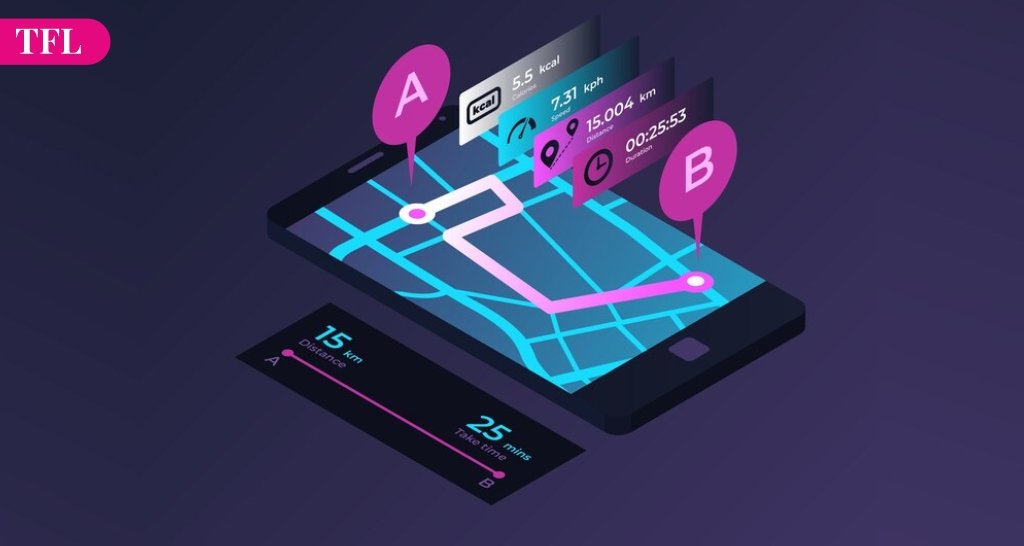
    Route optimisation is among AI’s most important benefits. Artificial intelligence (AI) systems can determine the most effective routes for delivery vehicles by evaluating a multitude of data, including traffic patterns, weather, and delivery schedules. This directly contributes to reduced fuel usage by ensuring on-time deliveries and reducing trip lengths. As a result, there are two benefits: lower operating expenses and a smaller carbon footprint.

    Furthermore, AI improves the efficiency of last-mile deliveries, a crucial yet frequently problematic area. Predictive analytics gives 3PLs the ability to more effectively forecast demand and allocate resources. Artificial intelligence (AI) can recommend the best delivery windows, enabling more accurate scheduling and higher customer satisfaction. AI-enabled real-time tracking and communication boost transparency even more by keeping clients updated and involved all the way through the delivery process.

    In the end, integrating AI into 3PL processes promotes environmentally friendly practices and results in significant cost savings. By streamlining operations, cutting fuel use, and guaranteeing effective last-mile delivery, 3PL businesses not only increase their profits but also make a positive environmental impact. In the logistics sector, using AI technologies is now strategically necessary for long-term success rather than an option.

  • Asigra: A Pioneer and Thought Leader in the Backup and Recovery Industry

    Asigra: A Pioneer and Thought Leader in the Backup and Recovery Industry

    The backup and recovery industry is evolving rapidly to meet the challenges of increasing data volumes, sophisticated cyber threats, and the need for regulatory compliance. Innovation in cloud-based solutions, automation, and AI are driving the market, while the demand for simplicity and efficiency remains a top priority for businesses. Companies that stay ahead of these trends will be better positioned to protect their data and ensure business continuity in an increasingly digital world.

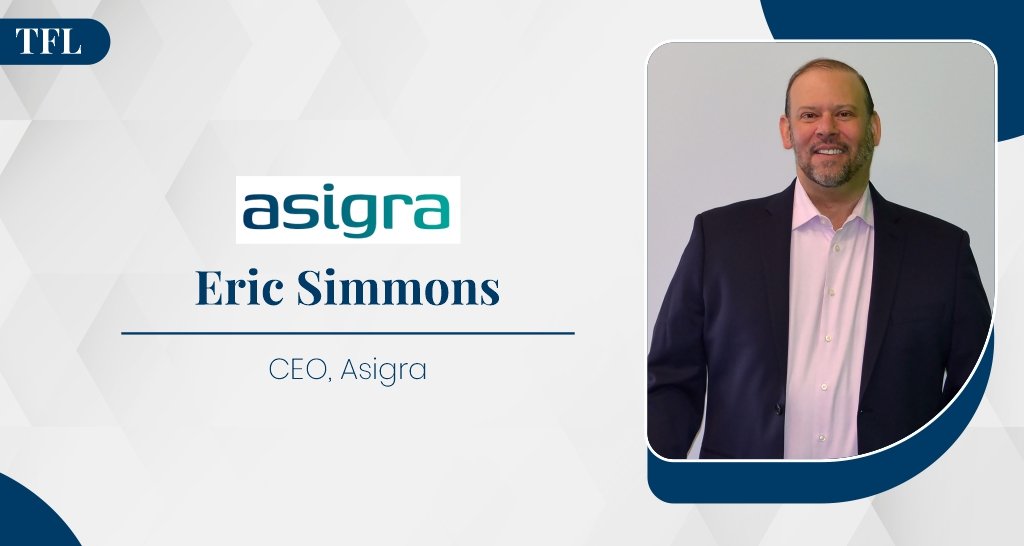
    Asigra has been a pioneer and thought leader in the backup and recovery space for the past 37 years, setting itself apart with industry-leading data and ransomware protection capabilities. “Building on our long history of innovation, we have launched our latest backup platform, SaaSAssure, designed to provide comprehensive backup, recovery and for a variety of SaaS applications. Our mission statement is “Recovery is Everything.” Our core value is “inspiration,” says Eric Simmons, CEO, Asigra.

    The Inception Story

    Asigra was founded more than 37 years ago by David Farajun, a visionary computer programmer who could not find an adequate solution to back up the code he was developing. That frustration inspired him not only to build a product that met his needs but also to create a company that would evolve alongside changes in cybersecurity. Ultimately, this led to the industry’s first agentless enterprise cloud-based backup and recovery software that also addresses today’s cyber threats.

    “Today, David continues to guide our direction, along with a leadership team packed with industry heavy-hitters. Our software has developed to include features like bi-directional malware scanning, CDR, MPA, SaaS Protection, and Validation Restore to verify the integrity of backups, and we are frequently first to market with new advances a product of our perennial commitment to our original vision of technology that constantly iterates to get ahead of new threats.”

    Constantly Evolving to Provide Industry-leading Protection

    Headquartered in Toronto, Asigra has expanded to include a wider range of tools for data protection through our MSP and VAR partners.

    We are constantly and proactively pursuing ways to protect against ransomware attacks and other threats to the backup and recovery of servers, virtual machines, endpoint devices, databases, and SaaS/IaaS-based applications.

    Through our (removed Tigris) Secure Backup Platform and other solutions, we provide ransomware protection, cloud SaaS backup, compliance management, and business continuity support that can prevent catastrophic business impacts.

    The differentiating factor

    “We are an organization driven by inspiration. In every interaction, we ask ourselves if we are approaching initiatives to inspire. This powerful motivator influences our colleagues in both their contributions to Asigra and in their personal lives.  It also pushes us to seek innovations that extend beyond technology and emphasize the value we deliver to our partners and customers. Inspiration is not always easy, but it elevates our understanding of what truly matters beyond technology, allowing us to connect on a deeper level.”

    Staying ahead of the competition

    With the rapid adoption of SaaS applications creating today’s SaaS-powered workplace, it is imperative to ensure a company’s entire SaaS footprint is protected. Most SaaS providers follow the Amazon Web Services (AWS) Shared Responsibility Model, which states that businesses are responsible for their data. Businesses need to understand that SaaS providers do not offer backup and recovery services, nor do they guarantee data protection they focus on application availability and data redundancy. The crucial difference is that if a business’s SaaS data is deleted or compromised through accidental deletion, ransomware, or other cyber-attacks, the data is often non-recoverable. To address this gap, Asigra offers SaaSAssure, a cloud-native solution designed to provide backup and recovery services for high-value, business-critical SaaS applications.

    Adapting to the changing landscape

    Most CIOs prioritize data protection and business resiliency as their top concerns. In response, “we have developed a solution to safeguard the vast amount of critical business data residing in vulnerable SaaS applications. Our platform enables businesses to achieve full protection of sensitive data generated and stored in a multitude of clouds in under 10 minutes.”

    Strategies for the future challenge

    Asigra is among the few organizations that have developed a multi-tenant platform designed with a partner-first approach. “We currently support over 300 managed service providers globally and are committed to expanding our partner community. Our focus also includes systems integrators who implement and customize SaaS applications for companies, as well as strategic partnerships with SaaS providers and other entities not currently targeted by our competitors, offering significant growth opportunities.”

    The initial challenge

    “The key challenge is leveraging our time and resources to effectively remain ahead of the competition in this market as the largest players in the business begin to extend their offerings. We will continue to differentiate through our focus on inspiration and bring that level of value and attention to what matters most to the customers we serve. Knowing that a backup admin can sometimes take three weeks to remediate a backup failure simply because they changed the backup location by accident and both proactively addressing this and offering automated or immediate remediation is a massive time saver and risk eliminator. We also continue to expand our strategic partnerships to further differentiate faster. As an example, partnering with an organization that has a solution to identify all the SaaS apps within a business. This helps to prioritize their backup needs and budget. Lastly, our unique integration of backup with cyber security protection continues to evolve alongside the threat landscape.”

    Products and services influencing the global scale

    “We serve a global market today and one critical element we focus on is working with analysts and industry influencers to help educate the market on the importance of protecting their SaaS data with 3rd party solutions. A second key message is to have SaaS providers extend their APIs to make it possible and easier to back up and restore all the data stored within their applications. Many do not do this effectively today and if they require the end customer to be responsible for the data, they need to enable them to protect all of it effectively.”

    International stories success & partnership

    “We are partnering with Auvik which is a cloud-based network monitoring tool that offers the ability to discover, monitor, manage and secure SaaS to eliminate shadow IT. Adding backup and recovery is a perfect complement to this offering and vice-versa. Others are in various stages of completion.”

    Awards and Recognition

    “Throughout our history, Asigra’s technological innovation has been motivated by our experiences with customers. The most impactful have been the stories we have heard from those who come to us when their former backup solution could not restore a clean copy of their data. Those experiences, plus our drive to anticipate and protect against new threats, have led to unique security technology that far surpasses our competitors’ security strategies. And while our customers’ and partners’ feedback is the only validation we need, it does not hurt that we are consistently recognized as an industry-leading platform,” added Simmons.

    The future roadmap The company is evolving into a comprehensive data protection and analysis platform, harnessing the power of AI and machine learning for key use cases. “Initially, we will predict, remediate, and eventually eliminate backup and recovery errors, often caused by human error.  Another critical use case for the injection of AI and ML involves identifying ransomware and other cyber-attacks. Additionally, we will focus heavily on advanced data analytics, enabling organizations to derive valuable insights from aggregated backup data. This approach is simpler and more cost-effective than moving everything into a data lake. Furthermore, we will implement our unique bi-directional antimalware and Content Disarm and Reconstruction (CDR) technologies to enhance protection against ransomware attacks,” concluded Eric Simmons.

  • Embracing Lifelong Learning: A Crucial Element for Entrepreneurial Success

    Embracing Lifelong Learning: A Crucial Element for Entrepreneurial Success

    In the dynamic landscape of business, entrepreneurs increasingly recognizing the importance of perpetual learning as a key driver of success. Beyond traditional academic achievements, a commitment to ongoing education is emerging as a crucial element in navigating the ever-evolving challenges of the entrepreneurial journey.

    Adaptability in a Rapidly Changing World

    Entrepreneurs, by nature, are risk-takers who venture into uncharted territories. Staying abreast of the latest industry trends, technological advancements, and market dynamics is paramount for making informed decisions. Continuous learning allows entrepreneurs to adapt to rapid changes, providing a competitive edge in an era where innovation is synonymous with success.

    Building Resilience in the Face of Challenges

    The entrepreneurial path is fraught with obstacles, and resilience is often the differentiator between success and failure. By embracing a mindset of continuous learning, entrepreneurs equip themselves with the knowledge and skills needed to overcome setbacks. This resilience not only safeguards their ventures during tough times but also fosters a culture of innovation and creative problem-solving.

    Fostering Innovation and Creativity

    Innovation is the lifeblood of entrepreneurship, and continuous learning fuels the creative process. Entrepreneurs who actively seek out new information, explore diverse perspectives, and engage in ongoing education are better positioned to identify unique opportunities and devise groundbreaking solutions. This commitment to innovation is increasingly becoming a hallmark of successful entrepreneurial ventures.

    Remaining Relevant in a Competitive Landscape

    Industries are undergoing rapid transformations, and entrepreneurs must stay relevant to stay ahead. Learning about emerging technologies, market trends, and consumer behavior ensures that entrepreneurs can align their businesses with current demands. This adaptability not only secures their market position but also opens doors to new possibilities and collaborations.

    Cultivating a Growth Mindset

    Continuous learning is not just about acquiring specific skills; it’s about fostering a growth mindset. Entrepreneurs who see challenges as opportunities to learn and grow are more likely to persevere in the face of adversity. This mindset not only propels personal development but also permeates through the organizational culture, inspiring teams to embrace change and innovation.

    In conclusion, the modern entrepreneurial landscape demands a commitment to continuous learning. As entrepreneurs navigate the complexities of business, those who actively seek knowledge, embrace change, and cultivate a growth mindset are better positioned not only to survive but to thrive in the ever-evolving world of entrepreneurship.

  • Wellness In The Workplace: 10 Practical Tips For A Healthier Workday

    Wellness In The Workplace: 10 Practical Tips For A Healthier Workday

    Introduction

    In the hustle and bustle of the modern workplace, prioritizing health can often take a backseat. Long hours, tight deadlines, and sedentary work environments can negatively impact our well-being. However, with a few intentional changes, you can transform your workplace into a hub for health and productivity. In this blog, we’ll explore 10 practical tips to help you improve your health while navigating the demands of your job.

    Deskercise Breaks:

    Incorporate short bursts of exercise into your workday. Simple desk exercises, like stretching or chair squats, can boost circulation and alleviate tension.

    Hydration Habit:

    Ensure optimal hydration throughout the day by having a water bottle within easy reach on your desk. Proper hydration enhances concentration, supports digestion, and promotes overall well-being.

    Mindful Meals:

    Resist the urge to skip meals. Plan nutritious lunches and snacks to maintain energy levels. Avoid sugary snacks and opt for a balanced diet rich in fruits, vegetables, and lean proteins.

    Ergonomic Setup:

    Adjust your workspace to promote good posture. Invest in an ergonomic chair, position your computer at eye level, and take breaks to stretch and avoid stiffness.

    Screen Time Awareness:

    Combat eye strain by practicing the 20-20-20 rule: take a break every 20 minutes to focus on something 20 feet away for a refreshing 20-second pause. This simple practice can help prevent digital eye fatigue.

    Take Breaks:

    Step away from your desk during breaks. Short walks, deep breathing exercises, or a quick chat with a colleague can refresh your mind and body.

    Prioritize Sleep:

    Ensure you get adequate sleep each night. Establish a consistent sleep routine, limit screen time before bed, and create a comfortable sleep environment to promote quality rest.

    Stress Management:

    Develop stress-reducing strategies such as deep breathing, meditation, or mindfulness exercises. These practices can help you maintain focus and resilience during challenging work moments.

    Set Boundaries:

    Establish clear boundaries between work and personal life. Avoid bringing work-related stress home and allocate time for hobbies, socializing, and relaxation.

    Connect with Colleagues:

    Foster a supportive workplace culture by connecting with colleagues. Building positive relationships at work can contribute to a healthier and more enjoyable work environment.

    Conclusion

    Prioritizing your health at work is essential for long-term well-being and sustained productivity. By implementing these 10 tips, you can create a healthier work routine that benefits both your physical and mental health. Keep in mind, incremental adjustments can pave the way for substantial enhancements in the long run. Here’s to thriving 9 to 5!

  • Empowering Minds: Nurturing Growth and Success Through Education

    Empowering Minds: Nurturing Growth and Success Through Education

    Introduction:

    Education is the cornerstone of personal and societal development, providing the tools and knowledge necessary for individuals to thrive in a rapidly changing world. In this blog, we’ll explore the multifaceted realm of education, examining its transformative power, current challenges, and the pivotal role it plays in shaping the future of individuals and societies.

    The Transformative Power of Education:

    • Education goes beyond imparting facts and figures; it shapes individuals into critical thinkers, problem solvers, and lifelong learners. We’ll delve into how education empowers minds, fosters creativity, and lays the foundation for personal and professional success.

    Innovations in Teaching and Learning:

    • Explore the evolving landscape of education with a focus on innovative teaching methods and technologies. From online learning platforms to immersive experiences, discover how education is adapting to the needs of the digital age.

    Challenges in Modern Education:

    • Despite its importance, education faces numerous challenges. We’ll discuss issues such as access to quality education, the impact of socioeconomic disparities, and the evolving role of educators in addressing the diverse needs of students.

    The Role of Technology in Education:

    • Technology is revolutionizing the way we learn and teach. Uncover the influence of digital tools, virtual classrooms, and artificial intelligence in enhancing educational experiences and expanding access to knowledge globally.

    Lifelong Learning and Skill Development:

    • In a world where skills evolve rapidly, the concept of lifelong learning has gained prominence. Explore how individuals can embrace continuous education to adapt to changing demands in the job market and pursue personal growth.

    The Importance of Early Childhood Education:

    • Early childhood education lays the groundwork for a child’s future. We’ll discuss the significance of early learning experiences, their impact on cognitive development, and the role of educators in shaping young minds.

    Education for Global Citizenship:

    • In an interconnected world, fostering a sense of global citizenship is crucial. Learn how educational institutions are incorporating global perspectives, cultural awareness, and social responsibility into their curricula to prepare students for a diverse and interconnected future.

    The Future of Education:

    • Peer into the future of education, exploring emerging trends, possibilities, and the role of education in addressing global challenges. From personalized learning to the integration of artificial intelligence, envision the transformative potential of education in the years to come.

    Conclusion:

    As we navigate the vast landscape of education, it becomes clear that it is more than a process; it’s a journey of discovery and growth. This blog aims to celebrate the transformative power of education while addressing the challenges and innovations that shape its trajectory. Join us in exploring the profound impact of education on individuals, communities, and the world at large.

  • Mastering Your Finances: Navigating the Path to Financial Wellness

    Mastering Your Finances: Navigating the Path to Financial Wellness

    Introduction

    In the ever-changing landscape of personal and corporate finance, the ability to navigate effectively is paramount for both individuals and businesses. From budgeting and investments to economic trends and emerging technologies, the world of finance is multifaceted and dynamic. In this blog, we’ll delve into the intricacies of finance, offering insights into key concepts, practical tips, and the importance of financial literacy for a secure and prosperous future.

    The Foundations of Financial Literacy:

    • Understanding the basics of finance is crucial for making informed decisions. We’ll explore fundamental concepts such as budgeting, saving, and the power of compounding, laying the groundwork for financial literacy.

    Investing Strategies for Long-Term Success:

    • Diving into the world of investments, we’ll discuss various strategies for building wealth over time. From stocks and bonds to real estate and emerging markets, understanding the nuances of investment options is key to achieving financial goals.

    Budgeting for Financial Freedom:

    • Budgeting is the cornerstone of financial stability. We’ll provide practical tips on creating a budget, managing expenses, and saving for both short-term and long-term financial objectives.

    Emerging Trends in Fintech:

    • The financial technology (fintech) revolution is reshaping the way we manage money. Explore the latest innovations, from mobile banking and digital wallets to blockchain and robo-advisors, and understand how these technologies are impacting the financial landscape.

    Navigating Economic Trends:

    • The global economy is influenced by various factors. We’ll discuss how economic trends, inflation, and interest rates can affect personal and business finances, providing insights to help individuals and organizations make strategic financial decisions.

    Risk Management and Insurance:

    • Unforeseen events can have a significant impact on financial well-being. Learn about the importance of risk management, insurance, and how to safeguard your financial future against unexpected challenges.

    Entrepreneurial Finance:

    • For aspiring entrepreneurs and business owners, understanding entrepreneurial finance is crucial. We’ll explore funding options, financial planning, and the financial management skills necessary for entrepreneurial success.

    The Psychology of Money:

    • Money is not just numbers; it’s deeply intertwined with emotions and behaviors. Explore the psychological aspects of finance, including money mindset, financial goals, and the role of mindfulness in achieving financial well-being.

    Conclusion

    Mastering the intricacies of finance is a journey that empowers individuals and businesses alike to make informed and strategic decisions. From basic financial literacy to advanced investment strategies and emerging technologies, this blog aims to be your guide in navigating the path to financial wellness. Join us on this insightful exploration, and take control of your financial future with confidence and knowledge.

  • Navigating the Manufacturing Landscape: Innovation, Efficiency, and the Art of Production

    Navigating the Manufacturing Landscape: Innovation, Efficiency, and the Art of Production

    Introduction

    In the pulsating heart of industry lies the realm of manufacturing, where raw materials are transformed into the products that shape our daily lives. This intricate process involves a delicate dance of innovation, precision, and efficiency. In this blog, we will dive into the multifaceted world of manufacturing, exploring its key components, the technological advancements driving change, and the pivotal role it plays in our global economy.

    The Evolution of Manufacturing:

    • Manufacturing has come a long way from traditional methods to modern, automated processes. From the Industrial Revolution to today’s smart factories, the evolution of manufacturing reflects a constant quest for efficiency, quality, and sustainability.

    Technological Advancements:

    • In the contemporary manufacturing landscape, technology reigns supreme. Automation, artificial intelligence, and the Internet of Things (IoT) have revolutionized production processes, leading to increased precision, reduced costs, and improved overall efficiency.

    Smart Factories:

    • The concept of smart factories integrates cutting-edge technologies to create intelligent, interconnected production environments. These factories leverage real-time data, analytics, and automation to optimize operations, minimize downtime, and enhance decision-making.

    Sustainability and Eco-Friendly Practices:

    • With a growing awareness of environmental issues, manufacturers are embracing sustainable practices. From eco-friendly materials to energy-efficient processes, the industry is actively working towards minimizing its ecological footprint.

    Supply Chain Management:

    • Manufacturing is intricately linked with supply chain management. Streamlining the supply chain ensures timely access to raw materials, reduces production bottlenecks, and enhances overall efficiency. Technology plays a crucial role in the optimization of supply chain processes.

    Quality Control and Assurance:

    • Maintaining product quality is paramount in manufacturing. Rigorous quality control measures, often assisted by advanced technologies like sensors and machine learning, ensure that products meet or exceed industry standards.

    Job Opportunities and Skilled Labor:

    • The manufacturing sector provides a substantial number of job opportunities. As technology evolves, the demand for skilled workers with expertise in automation, robotics, and data analysis is on the rise, reshaping the landscape of manufacturing employment.

    Global Impact and Economic Contribution:

    • Manufacturing is a cornerstone of the global economy. Its success influences trade, economic growth, and international relations. Understanding the dynamics of manufacturing is essential for comprehending the complex web of interconnected economies.

    Challenges and Innovations:

    • While manufacturing has seen incredible advancements, it also faces challenges such as supply chain disruptions, geopolitical uncertainties, and the need to adapt to rapidly changing consumer demands. Innovations in materials, processes, and business models are crucial for overcoming these challenges.

    Conclusion

    As we traverse the intricate world of manufacturing, it becomes evident that this sector is not merely about production but about shaping the future. From technological marvels to sustainable practices, manufacturing plays a pivotal role in our daily lives and the global economy. Embracing innovation, adapting to challenges, and championing efficiency, the manufacturing industry remains a dynamic force driving progress into the future.

  • The Future Of Work: What It Means For Businesses And Employees

    The Future Of Work: What It Means For Businesses And Employees

    The world of labor is transforming at a rate that has never been seen before, spurred on by developments in technology, altering demographics, and changing views in society. The way in which companies run, and the way in which individuals interact with their jobs are both being disrupted by this shift. In order to comprehend what the working world will look like in the foreseeable future, we need to investigate the forces that are driving this transformation, as well as the effects these forces will have on companies and their personnel.

    Innovations in technology and increased mechanization:

    Rapid technological innovation, in particular that which relates to artificial intelligence (AI), robots, and automation, is one of the most important variables that will have a significant impact on the future of employment. There is a growing trend toward the incorporation of automation into a variety of different businesses, from manufacturing to customer service. Automation is being used for activities that are routine and repetitive, freeing workers to concentrate on areas of their jobs that need a higher level of complexity, creativity, and strategic thinking. This results in enhanced efficiency, a decrease in the number of mistakes made, and cost savings for enterprises. On the other hand, it raises worries about job displacement and the need for upskilling and reskilling in order to stay relevant in a workforce that is becoming more automated.

    Workplaces that are Remotely Occupied and Hybrid:

    The COVID-19 epidemic increased the acceptance of remote work, proving that many tasks can be efficiently completed from home. This led to an increase in the number of companies offering remote work opportunities. This trend has led to the growth of hybrid work models, in which workers divide their time between working remotely and in the office. These models have become more popular as a result of this transition. In an effort to both recruit and keep skilled workers, businesses are reconsidering the layout of their offices and adopting more flexible working arrangements. Hybrid models provide workers with a better work-life balance and less time spent commuting, but they also present obstacles to cooperation, communication, and the preservation of business culture.

    The Freelancing and the Gig Economy:

    Freelancing and other forms of employment based on contracts are attracting a growing number of employees, which is driving the fast expansion of the gig economy. Platforms that allow freelancers to connect with businesses are becoming more popular. These platforms provide businesses with access to a wide pool of talent while also allowing freelancers the freedom to pick their projects and set their hours. Because of this development, organizations now can have access to specialized expertise on demand while also successfully managing expenses. However, this does bring up questions about job security and benefits, as well as the need to develop a safety net for those who work in the gig economy.

    Pay Attention to the Physical and Emotional Health of Your Staff:

    The future of work will put a greater focus on the health and happiness of workers, in recognition of the fact that a productive and successful company depends on having a staff that is in good physical and mental shape. In order to better assist their workforce, employers are increasingly investing in programs for mental health, flexible work schedules, and wellness initiatives. Working remotely has brought to light the need to clearly delineate the boundaries between one’s personal life and professional life in order to avoid burnout and preserve one’s mental health.

    The principles of Diversity, Equity, and Inclusion:

    There has been a recent uptick in corporate consciousness on the significance of diversity, equality, and inclusion in the workplace. There is now an effort being made to establish a more inclusive workplace that appreciates all of its workers and encourages varied points of view. Companies are reassessing their employment procedures, rules, and cultures in order to guarantee that everyone is treated fairly, has equal opportunity, and feels like they belong in the company. This not only brings firms into conformity with ethical values but it also makes organizational innovation and decision-making more effective.

    Continuous Skill Development and Ongoing Education Throughout a Lifetime:

    Continuous education and the cultivation of new skills are becoming more important for workers to pursue in order to keep up with the ever-shifting nature of the modern workplace. In order to assist their workers in adjusting to evolving technology and requirements for the jobs they hold, employers are making investments in training programs, upskilling efforts, and mentoring. Learning that continues throughout one’s life has gone from being something that people and companies may choose to do to being something that must be done.

    Work that is Both Self-Sustaining and Driven by a Higher Purpose:

    Businesses are becoming more aware of the duty that falls on their shoulders on issues of social and environmental effects. There is a rising movement in the direction of incorporating sustainable practices into corporate operations with the intention of making a constructive impact on both society and the environment. Employees are increasingly looking for purpose and meaning in the job that they do. In response, businesses are connecting their objectives with the aims of society in order to attract and keep talented employees.

    Conclusion The world of work in the future will be a dynamic terrain that is molded by technology breakthroughs, shifting work patterns, a focus on well-being and inclusion, and a growing need for work that is purpose-driven and involves constant learning. In order for businesses to maintain their competitive edge and continue to recruit skilled workers, they need to accept these changes and adjust. On the other side, employees have a responsibility to take initiative in the process of growing their talents, maintaining their flexibility, and matching their beliefs with the businesses they choose to be a part of. The landscape of work in the future presents an enormous possibility for development and creativity. Still, the key to achievement rests in deftly navigating and enthusiastically embracing the disruptive transformations that are occurring.