newdemo.thefortuneleader.com

Category: Manufacturing

  • Leveraging Big Data: How AI is Revolutionizing 3PL Companies

    Leveraging Big Data: How AI is Revolutionizing 3PL Companies

    Third-Party Logistics (3PL) firms are utilising big data and artificial intelligence (AI) to improve operational efficiency and drive smarter decision-making in the fast-changing logistics industry. Big data and AI together are revolutionising several industries, most notably transportation route optimisation and consumer behaviour analysis.

    Route optimisation is one of the biggest logistical issues. In order to identify the most effective transportation routes, AI-powered algorithms can examine enormous datasets that include delivery schedules, weather forecasts, and traffic patterns. 3PLs can anticipate possible delays and proactively modify routes in real time by utilising predictive analytics. This lowers operating expenses and improves on-time delivery, which in turn increases customer satisfaction.

    Furthermore, 3PL organisations may delve further into client behaviour patterns because to AI’s ability to facilitate complex data analysis. Artificial intelligence (AI) can spot new trends and more precisely predict future demand by looking at past data on order volumes, seasonal trends, and client preferences. With the knowledge to optimise inventory management and guarantee that supply levels satisfy client demands without overstocking, 3PLs are empowered by this degree of understanding.

    Improved decision-making extends to personalised customer care in addition to operational efficiency. 3PLs can segment their customer base according to their purchase patterns using AI-driven solutions, which allows for customised service and marketing offerings. This increases revenue and cultivates enduring ties with customers.

    To sum up, 3PL firms are now able to make data-driven decisions that optimise logistical processes, enhance customer relations, and ultimately help them remain ahead of the competition thanks to the combination of AI and big data. There is enormous potential for smarter, more effective logistics operations as long as technology keeps developing. 3PLs’ success will depend on their capacity to innovate and adapt, utilising big data and artificial intelligence.


  • Enhancing Warehouse Safety with AI-Powered Systems

    Enhancing Warehouse Safety with AI-Powered Systems

    Ensuring productivity without sacrificing safety is crucial in today’s hectic warehouse settings. By combining real-time video monitoring and sophisticated anomaly detection, AI-enabled safety solutions are transforming the way warehouses run. This is leading to a considerable decrease in accidents and an increase in adherence to safety rules.

    Artificial intelligence (AI) algorithms are used in real-time video monitoring to examine live video from cameras positioned thoughtfully across the building. This system not only recognises possible risks—like risky conduct, obstructed routes, or mishandled equipment—but also enables prompt action. Managers can take immediate action to handle a worker who is found to be disobeying safety procedures, for example, averting possible mishaps before they happen.

    Another crucial component of AI systems in warehouses is anomaly detection, which uses machine learning models to provide a baseline of typical operations. Through ongoing activity analysis, the AI can identify departures from this average. Alerts are generated instantly if something odd is detected, such as a sudden increase in forklift speed or unauthorised entrance to restricted areas. By taking a proactive stance, safety concerns are promptly addressed, which lowers the risk of accidents and guarantees compliance with regulations.

    Furthermore, through delivering data-driven insights that assist warehouses in improving their safety procedures and training initiatives, these AI-enabled technologies foster a culture of safety. In an ever-changing industrial world, warehouses that implement these technologies not only safeguard their employees but also improve operational efficiency and create a safer and more compliant working environment. Adopting AI in safety may be essential to reaching zero-accident targets and promoting a watchful and considerate attitude.

  • AI-Enhanced Route Optimization: Cutting Costs and Reducing Carbon Footprint

    AI-Enhanced Route Optimization: Cutting Costs and Reducing Carbon Footprint

    The logistics industry is changing quickly in tandem with the growth of e-commerce, particularly for third-party logistics (3PL) firms. Leading the charge in this revolution is artificial intelligence (AI), which offers cutting-edge technologies that improve last-mile delivery efficiency, cut fuel costs, and optimise delivery routes.

    Route optimisation is among AI’s most important benefits. Artificial intelligence (AI) systems can determine the most effective routes for delivery vehicles by evaluating a multitude of data, including traffic patterns, weather, and delivery schedules. This directly contributes to reduced fuel usage by ensuring on-time deliveries and reducing trip lengths. As a result, there are two benefits: lower operating expenses and a smaller carbon footprint.

    Furthermore, AI improves the efficiency of last-mile deliveries, a crucial yet frequently problematic area. Predictive analytics gives 3PLs the ability to more effectively forecast demand and allocate resources. Artificial intelligence (AI) can recommend the best delivery windows, enabling more accurate scheduling and higher customer satisfaction. AI-enabled real-time tracking and communication boost transparency even more by keeping clients updated and involved all the way through the delivery process.

    In the end, integrating AI into 3PL processes promotes environmentally friendly practices and results in significant cost savings. By streamlining operations, cutting fuel use, and guaranteeing effective last-mile delivery, 3PL businesses not only increase their profits but also make a positive environmental impact. In the logistics sector, using AI technologies is now strategically necessary for long-term success rather than an option.

  • AI-Driven Warehouse Automation: The Future of Efficiency

    AI-Driven Warehouse Automation: The Future of Efficiency

    A company’s ability to run its warehouse efficiently can make or break it in the fast-paced world of modern e-commerce. The introduction of automated picking systems, AI-powered robots, and sorting technologies is completely changing the way warehouses work, resulting in fewer mistakes and faster order fulfilment.

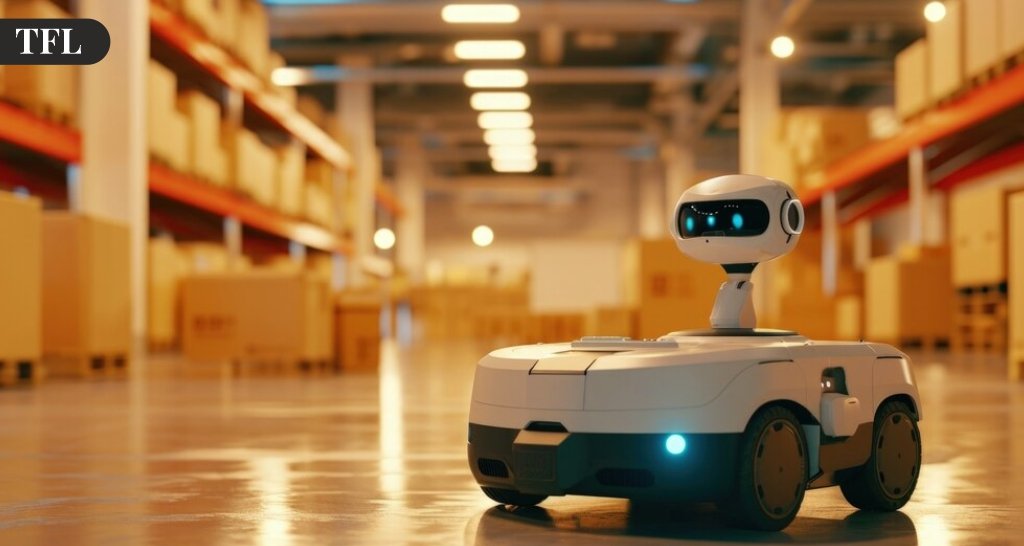
    Robots driven by AI are becoming the main focus of warehouse automation. These clever devices are made to choose objects with amazing accuracy while navigating challenging surroundings. These robots optimise their courses and minimise the amount of time spent on each task by utilising machine learning and sophisticated algorithms to adapt to their surroundings. This reduces human error, which is one of the main reasons for inefficiency in warehouses, while also increasing production. Robots can do labour-intensive and repetitive jobs, freeing up human workers to concentrate on higher-value duties like customer service and quality control.

    Automated picking methods, frequently in conjunction with artificial intelligence, advance this optimisation. These systems use data to identify the most effective picking routes and techniques, guaranteeing precise and timely order fulfilment. Robotic arms and automated guided vehicles (AGVs) are two examples of technologies that collaborate to retrieve goods and get them ready for transportation. Because of this synergy, there is less chance of errors resulting from manual entry.

    Machine learning and computer vision-powered sorting technologies accelerate the fulfilling process even more. Products can be efficiently identified, categorised, and routed through the warehouse by intelligent sorting systems. By sorting products quickly, bottlenecks are reduced and clients receive their orders on time.

    In summary, utilising robotics with artificial intelligence (AI), automated picking systems, and sorting technologies has a significant impact on warehouse operations. In addition to meeting client needs, firms can obtain a competitive advantage in the constantly changing industry by reducing human error and speeding order fulfilment. It is now imperative to adopt these advances if one wants to succeed in the logistics industry.

  • Navigating the Manufacturing Landscape: Innovation, Efficiency, and the Art of Production

    Navigating the Manufacturing Landscape: Innovation, Efficiency, and the Art of Production

    Introduction

    In the pulsating heart of industry lies the realm of manufacturing, where raw materials are transformed into the products that shape our daily lives. This intricate process involves a delicate dance of innovation, precision, and efficiency. In this blog, we will dive into the multifaceted world of manufacturing, exploring its key components, the technological advancements driving change, and the pivotal role it plays in our global economy.

    The Evolution of Manufacturing:

    • Manufacturing has come a long way from traditional methods to modern, automated processes. From the Industrial Revolution to today’s smart factories, the evolution of manufacturing reflects a constant quest for efficiency, quality, and sustainability.

    Technological Advancements:

    • In the contemporary manufacturing landscape, technology reigns supreme. Automation, artificial intelligence, and the Internet of Things (IoT) have revolutionized production processes, leading to increased precision, reduced costs, and improved overall efficiency.

    Smart Factories:

    • The concept of smart factories integrates cutting-edge technologies to create intelligent, interconnected production environments. These factories leverage real-time data, analytics, and automation to optimize operations, minimize downtime, and enhance decision-making.

    Sustainability and Eco-Friendly Practices:

    • With a growing awareness of environmental issues, manufacturers are embracing sustainable practices. From eco-friendly materials to energy-efficient processes, the industry is actively working towards minimizing its ecological footprint.

    Supply Chain Management:

    • Manufacturing is intricately linked with supply chain management. Streamlining the supply chain ensures timely access to raw materials, reduces production bottlenecks, and enhances overall efficiency. Technology plays a crucial role in the optimization of supply chain processes.

    Quality Control and Assurance:

    • Maintaining product quality is paramount in manufacturing. Rigorous quality control measures, often assisted by advanced technologies like sensors and machine learning, ensure that products meet or exceed industry standards.

    Job Opportunities and Skilled Labor:

    • The manufacturing sector provides a substantial number of job opportunities. As technology evolves, the demand for skilled workers with expertise in automation, robotics, and data analysis is on the rise, reshaping the landscape of manufacturing employment.

    Global Impact and Economic Contribution:

    • Manufacturing is a cornerstone of the global economy. Its success influences trade, economic growth, and international relations. Understanding the dynamics of manufacturing is essential for comprehending the complex web of interconnected economies.

    Challenges and Innovations:

    • While manufacturing has seen incredible advancements, it also faces challenges such as supply chain disruptions, geopolitical uncertainties, and the need to adapt to rapidly changing consumer demands. Innovations in materials, processes, and business models are crucial for overcoming these challenges.

    Conclusion

    As we traverse the intricate world of manufacturing, it becomes evident that this sector is not merely about production but about shaping the future. From technological marvels to sustainable practices, manufacturing plays a pivotal role in our daily lives and the global economy. Embracing innovation, adapting to challenges, and championing efficiency, the manufacturing industry remains a dynamic force driving progress into the future.

  • 10 Proven Tips to Enhance Warehouse Efficiency

    10 Proven Tips to Enhance Warehouse Efficiency

    Introduction

    Efficiency is the backbone of any successful warehouse operation. Optimizing your warehouse processes can lead to improved productivity, reduced costs, and enhanced customer satisfaction. In this blog post, we will delve into 10 valuable tips that can help you boost the efficiency of your warehouse operations.

    1. Layout and Organization:

    An organized and well-thought-out warehouse layout can significantly impact efficiency. Group similar items together, create clear pathways, and ensure that frequently picked items are easily accessible. This reduces travel time for workers and minimizes the chances of errors.

    2. Utilize Technology:

    Implement warehouse management systems (WMS) and inventory tracking software to streamline processes. Barcode scanning, RFID technology, and automated picking systems can reduce human error, improve accuracy, and accelerate order fulfillment.

    3. Optimize Inventory Management:

    Maintain accurate inventory records to avoid overstocking or stockouts. Regularly review your inventory turnover rates and adjust reorder points accordingly. This prevents tying up capital in excess inventory and ensures you have the right products when needed.

    4. Employee Training:

    Well-trained employees are more efficient and effective. Provide comprehensive training on warehouse procedures, equipment operation, safety protocols, and customer service. Ongoing training ensures that your workforce is up-to-date with the latest practices.

    5. Implement Lean Principles:

    Adopt lean principles to minimize waste and maximize efficiency. Identify non-value-added activities and eliminate them. Continuous improvement efforts can lead to streamlined processes and cost reductions.

    6. Slotting Optimization:

    Strategically place fast-moving items closer to the shipping area and slower-moving items deeper within the warehouse. This reduces travel time and expedites order picking. Regularly analyze sales data to adjust your slotting strategy.

    7. Cross-Docking:

    Implement cross-docking for items that require minimal handling and storage time. This practice involves transferring incoming goods directly to outbound vehicles, reducing storage costs and order processing time.

    8. Quality Control Measures:

    Integrate quality control checkpoints within your warehouse processes to catch errors early on. Inspect incoming and outgoing products for accuracy and condition. This prevents costly returns and dissatisfied customers.

    Conclusion

    Improving warehouse efficiency is an ongoing endeavor that requires a combination of smart planning, technology adoption, process optimization, and employee engagement. By implementing the 10 tips mentioned in this article, you can transform your warehouse into a well-oiled machine that not only meets customer demands but also contributes to the overall success of your business. Remember, small improvements can lead to substantial gains in efficiency and profitability.