newdemo.thefortuneleader.com

Category: Technology

  • DeepSeek AI Vs. ChatGPT: What Makes It Stand Out?

    DeepSeek AI Vs. ChatGPT: What Makes It Stand Out?

    Artificial intelligence has progressed significantly in recent years, leading to the development of various AI models designed to meet diverse requirements across multiple sectors. One of the most recognized models is OpenAI’s ChatGPT, a proficient conversational AI that excels in generating text, supporting customer service, and composing essays. Conversely, DeepSeek AI has been gaining popularity as a viable alternative. Although both DeepSeek AI and ChatGPT are remarkable tools, DeepSeek AI presents specific benefits that could render it more suitable for applications.

    1. Superior Data Integration

    A significant strength of DeepSeek AI lies in its capacity to process and amalgamate information from various sources. In contrast to ChatGPT, which formulates responses based on a static dataset from its training, DeepSeek AI employs a more adaptive methodology. It has the capability to retrieve real-time data and perpetually refresh its knowledge repository, enabling it to deliver responses that are not only more precise but also contextually relevant. This incorporation of real-time information is especially advantageous for sectors such as finance, healthcare, and e-commerce, where current data is essential.

    2. Advanced Personalization

    DeepSeek AI is recognized for its superior ability to personalize interactions compared to ChatGPT. While ChatGPT generates responses based on broad input, DeepSeek AI possesses the capability to learn from past conversations and evolve accordingly. It can retain user preferences, adjust its language to align with the individual’s tone, and offer recommendations that better suit the user’s requirements. This tailored approach renders DeepSeek AI especially valuable for customer service applications, where establishing rapport and comprehending user intent are essential.

    3. Enhanced Search Capabilities

    DeepSeek AI enhances search capabilities beyond what ChatGPT offers by focusing on large datasets and providing more accurate responses. Its advanced search algorithm is designed to comprehend intricate queries, enabling it to deliver highly pertinent information swiftly. This specialization makes DeepSeek AI particularly advantageous for tasks that require extensive research and efficient information retrieval.

    4. Multimodal Abilities

    One notable aspect in which DeepSeek AI excels is its proficiency in managing multimodal tasks. In contrast to ChatGPT, which is predominantly centered on text-based interactions, DeepSeek AI possesses the capability to process and produce multimedia content, including images and videos, in conjunction with text. This versatility renders it particularly suitable for initiatives that demand a broader range of content, such as creative marketing campaigns, educational resources, or interactive web platforms.

    So, Is DeepSeek AI a better option?

    Although ChatGPT is a robust tool, DeepSeek AI presents significant benefits, especially in areas such as data integration, personalization, search functionalities, and multimodal capabilities. Depending on the user’s particular requirements, DeepSeek AI may deliver more customized, adaptive, and pertinent results.

  • The Role of IoT and Edge Computing in the Next Generation of Enterprise Networks

    The Role of IoT and Edge Computing in the Next Generation of Enterprise Networks

    In the current fast-paced technological environment, organizations are persistently exploring novel methods to improve their operations, minimize latency, and obtain real-time insights. The incorporation of the Internet of Things (IoT) and edge computing within enterprise networks is significantly influencing the development of next-generation enterprise networks, providing increased efficiency, scalability, and intelligence to businesses across diverse sectors.

    What is IoT?

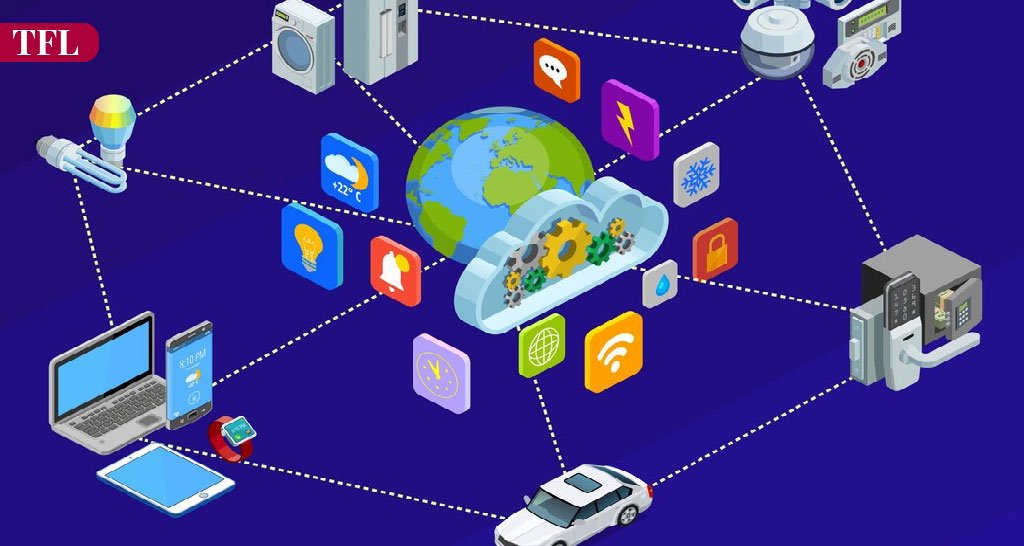
    The Internet of Things (IoT) denotes a system of interconnected devices that can communicate and sharing data autonomously, without the need for human involvement. This concept includes a wide range of devices, such as industrial sensors, intelligent home appliances, wearable gadgets, and connected automobiles. These devices collect significant data that can inform business strategies, optimize operational processes, and elevate customer satisfaction. The growth of IoT is anticipated to be substantial as organizations increasingly embrace advanced technologies and depend on insights derived from data.

    What is Edge Computing?

    Edge computing represents a decentralized computing architecture in which data processing takes place near the source of data generation, as opposed to being transmitted to centralized cloud servers. By handling data locally or at the network’s periphery, edge computing minimizes bandwidth requirements and decreases latency. This characteristic renders it particularly suitable for applications that demand timely responses and situations where immediate decision-making is essential.

    The Convergence of IoT and Edge Computing

    The integration of IoT and edge computing is revolutionizing enterprise networks by delivering the necessary infrastructure to facilitate a diverse range of intelligent applications. Below are the ways in which these technologies are transforming businesses.

    Real-time Data Processing and Decision-Making

    IoT devices produce substantial amounts of data that can be utilized in real-time when processed at the edge. Edge computing enables organizations to analyze and process data at its source, which is essential for applications that require immediate action, such as predictive maintenance, remote monitoring, and autonomous systems. By executing decisions at the edge, companies can swiftly address challenges or seize opportunities, thereby enhancing efficiency and reducing downtime.

    Reducing Latency

    One of the primary benefits of edge computing is the considerable decrease in latency. By processing data at the edge, it eliminates the need for information to traverse extensive distances to reach a centralized data centre. This capability enables organizations to respond to data more swiftly and efficiently. In environments driven by the Internet of Things (IoT), where time is of the essence, reducing latency is crucial for ensuring seamless operations, particularly in sectors such as manufacturing, healthcare, and transportation.

    Enhanced Security

    As the prevalence of IoT devices continues to rise, the significance of security for enterprises grows correspondingly. Utilizing edge computing allows for local data processing, which minimizes the volume of sensitive information sent to the cloud. This approach aids in alleviating security threats and potential breaches, thereby providing enhanced control over data access and management.

    Scalability and Flexibility

    Edge computing enhances the ability of businesses to expand their IoT networks with greater efficiency. By allocating computational resources across various edge devices, organizations can manage rising data volumes without straining centralized systems. This decentralized framework allows enterprises to create adaptable and scalable networks that can readily support future expansion.

    Future of IoT and Edge Computing

    As IoT devices evolve in complexity and edge computing technology advances, organizations will persist in their efforts to innovate and enhance their networks. The capacity to gather, analyze, and respond to real-time data will emerge as a significant competitive edge for companies striving to maintain their leadership in various sectors. Additionally, ongoing progress in artificial intelligence and machine learning will further unleash the potential of IoT and edge computing, facilitating the development of more intelligent and agile enterprise networks.

  • How AI and Automation Are Redefining Enterprise Networks

    How AI and Automation Are Redefining Enterprise Networks

    In the contemporary business landscape, enterprise networks are essential for organizations to operate effectively, collaborate effortlessly, and foster rapid innovation. As companies expand and integrate more sophisticated technologies, the management of these networks has grown more complex. Nevertheless, the emergence of Artificial Intelligence (AI) and automation has provided businesses with cutting-edge tools that are transforming the design, deployment, and maintenance of networks.

    AI-Powered Network Management

    AI is significantly transforming enterprise networks by automating network management processes. In the past, network administrators were required to manually oversee network traffic, detect problems, and address disruptions. This approach was not only time-intensive but also susceptible to human error, frequently leading to network downtime and negatively impacting productivity.

    The advent of artificial intelligence has revolutionized network management by facilitating real-time operations. Machine learning algorithms are employed to scrutinize network traffic, identify anomalies, and forecast potential issues prior to their manifestation. This predictive functionality empowers organizations to implement proactive measures to prevent network disruptions, thereby ensuring more seamless operations. Additionally, AI aids in recognizing usage patterns within the network, allowing companies to optimize bandwidth and enhance overall network efficiency.

    Automation for Seamless Operations

    Automation in network operations represents a significant domain where artificial intelligence is exerting a profound influence. Through the utilization of AI-driven automation tools, organizations can seamlessly configure, monitor, and resolve network issues without requiring manual input. This automation minimizes the likelihood of human error and allows IT teams to concentrate on more strategic initiatives.

    AI-powered automation platforms, for instance, have the capability to autonomously implement network configurations, upgrade software, and install security patches. This alleviates the administrative workload for IT personnel and hastens the adoption of new technologies.

    Improving Network Security

    Security remains a significant concern for businesses, and artificial intelligence is instrumental in improving the security of corporate networks. Conventional security approaches, including firewalls and intrusion detection systems, tend to be reactive, addressing only threats that have already been identified. In contrast, AI-driven security solutions possess the capability to detect novel threats in real-time by scrutinizing vast amounts of network data.

    Artificial intelligence can identify atypical patterns in network traffic, discerning novel attack vectors, and notifying administrators of potential security threats prior to their development into significant attacks.

    Scalability and Flexibility

    One significant benefit of incorporating AI and automation into enterprise networks is the improved scalability and flexibility it offers. As organizations expand, their network needs also increase. Solutions powered by AI can adjust effortlessly alongside the business, guaranteeing that network resources are distributed effectively in response to real-time demands. This level of adaptability enables enterprises to rapidly enhance their network infrastructure while maintaining optimal performance and security.

    Conclusion

    AI and automation are fundamentally transforming the way organizations oversee their networks. With advancements in predictive network management, improved security measures, and effortless scalability, these technologies are shaping the future landscape of network operations. By utilizing AI and automation, companies can optimize their network management procedures while also securing a competitive advantage in a progressively digital environment.

  • Microsoft Works To Add Non-OpenAI Models Into 365 Copilot Products

    Microsoft Works To Add Non-OpenAI Models Into 365 Copilot Products

    Microsoft is significantly impacting the AI integration sector by opting to broaden the application of non-OpenAI models within its 365 Copilot product suite. As the dependence on artificial intelligence continues to rise for enhancing productivity and optimizing business operations, Microsoft aims to provide a wider array of diverse and powerful AI-driven functionalities to its enterprise clientele.

    The 365 Copilot suite encompasses applications such as Word, Excel, Outlook, and PowerPoint, all of which incorporate OpenAI’s technology to improve functionality and streamline tasks. These tools utilize artificial intelligence for various purposes, including drafting documents and summarizing emails, thereby enabling employees to enhance their productivity and efficiency. Nevertheless, Microsoft acknowledges the necessity of providing flexibility and options, particularly as AI technologies evolve and diversify. By incorporating models beyond OpenAI, Microsoft seeks to offer a wider array of solutions customized to meet various business requirements.

    This action is part of a comprehensive strategy aimed at integrating a diverse array of AI models from multiple sources, encompassing both internal developments and collaborations with external partners. The objective is to establish an ecosystem that enables businesses to choose the most suitable AI tools tailored to their specific workflows, industry needs, and data privacy considerations. This strategy is expected to not only augment the flexibility of Microsoft’s offerings but also improve the overall user experience by facilitating more personalized solutions.

    The seamless integration of these models into existing products is essential for Microsoft. The company’s substantial investment in cloud computing and artificial intelligence infrastructure through its Azure platform positions it advantageously to pursue this new initiative. The capabilities of Azure will enable Microsoft to efficiently manage and scale these models, guaranteeing that users of 365 Copilot products enjoy a smooth and high-performance experience, irrespective of the AI model driving their tasks.

    The consequences of this transition are extensive. As companies increasingly depend on artificial intelligence, the opportunity to select from a broader range of models may create new possibilities for optimization. Various AI models demonstrate strengths in distinct domains; for instance, certain models may be more adept at producing creative content, whereas others might specialize in data analysis or providing decision-making assistance. This adaptability guarantees that 365 Copilot products will progress in tandem with AI advancements, enabling businesses to maintain a competitive edge within their industries. As competition among AI providers escalates, Microsoft’s decision to integrate non-OpenAI models into 365 Copilot represents a strategic initiative aimed at delivering the most versatile, adaptable, and robust AI-driven business solutions. This approach reinforces Microsoft’s commitment to shaping the future of work, positioning AI as a crucial partner in enhancing productivity and achieving success.

  • New Technology is Taking Package Tracking Past Scanning

    New Technology is Taking Package Tracking Past Scanning

    In the era of e-commerce, package tracking has emerged as a crucial component for both consumers and businesses. The reliance on a shipping company’s website for monitoring a package’s status is now a thing of the past, as the outdated practice of manually scanning barcodes is being supplanted by innovative technologies. Presently, state-of-the-art developments in tracking are propelling the logistics sector beyond conventional scanning methods, ushering in a new age of intelligent and more effective delivery management.

    • GPS Tracking and Real-Time Location Updates

    GPS-enabled systems have transformed the landscape of package tracking by providing consumers and delivery companies with the ability to monitor the real-time location of shipments on a map. With the advent of GPS technology, it is no longer limited to merely confirming the arrival of a package at a distribution center; customers can now track the precise location of their deliveries throughout the entire transit process. This increased transparency fosters customer confidence, alleviates delivery-related concerns, and enables companies to refine their delivery routes, ultimately resulting in time and cost savings.

    • Smart Packaging and RFID Technology

    Radio Frequency Identification (RFID) technology has revolutionized the field of tracking. In contrast to barcodes, which necessitate a direct line of sight for scanning, RFID tags can be read from a distance, facilitating more seamless tracking. These tags are compact, cost-effective, and can hold extensive information regarding the contents, weight, and destination of a package. Their adoption is on the rise in smart packaging applications, where sensors not only track the location of a package but also assess its condition, temperature, and detect any signs of opening or tampering.

    • Drones and Autonomous Vehicles

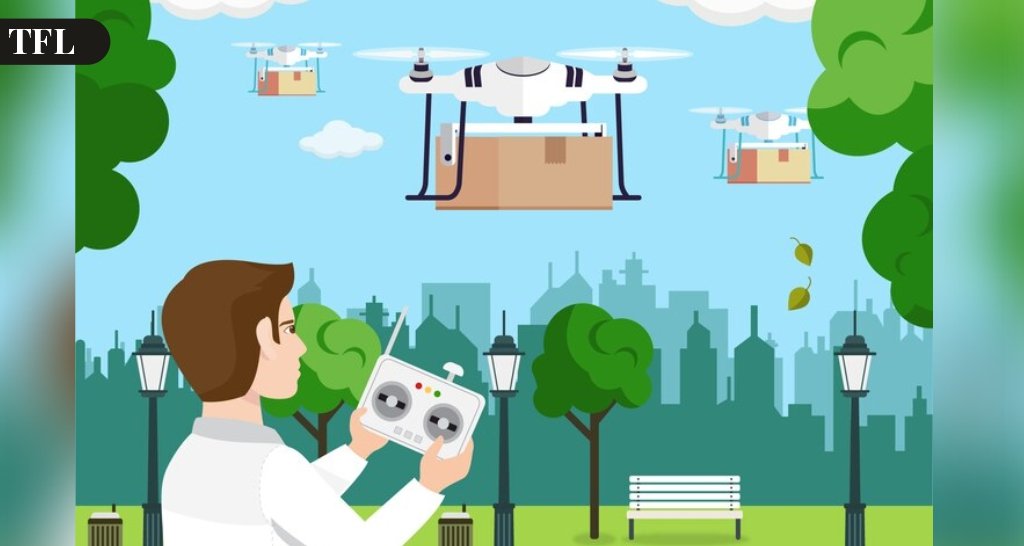
    Drones and autonomous delivery vehicles signify a significant advancement in the realm of package tracking and delivery. These innovations are set to diminish the reliance on human involvement in the delivery process, thereby accelerating shipping times and offering real-time tracking information. Drones have the capability to navigate through traffic and reach difficult locations, while autonomous vehicles can function continuously, enhancing the predictability and cost-efficiency of deliveries. With these technological advancements, the concept of tracking has evolved beyond merely overseeing packages from the warehouse to the recipient’s location; it now encompasses monitoring deliveries in unprecedented ways.

    • AI and Machine Learning for Predictive Analytics

    Artificial intelligence (AI) and machine learning are revolutionizing the field of package tracking. These advanced technologies can analyze extensive datasets to forecast the arrival times of packages and identify potential delays. Using predictive analytics, tracking systems are transitioning from mere information-sharing platforms to dynamic systems that can foresee and address issues proactively. This includes modifying delivery schedules or rerouting packages in real-time in response to unforeseen circumstances such as adverse weather conditions or traffic disruptions. AI-enhanced tracking systems thus offer a more efficient and anticipatory experience for both enterprises and consumers.

    • Blockchain for Enhanced Security and Transparency

    Blockchain technology, widely recognized for its association with cryptocurrency, is increasingly being utilized in package tracking to enhance security and transparency. By documenting each transaction within a secure, decentralized ledger, blockchain guarantees that every phase of a package’s journey is meticulously recorded and resistant to tampering. This is particularly advantageous for high-value goods, pharmaceuticals, and other sensitive shipments where security and transparency are critical. Blockchain offers an unalterable record of a package’s route, instilling an unparalleled level of trust in the process for both businesses and consumers.

    The Final Lines

    The landscape of package tracking has transcended traditional methods such as barcode scanning and tracking numbers. Innovations including GPS tracking, RFID technology, drones, artificial intelligence, and blockchain are transforming the industry, providing more intelligent, efficient, and transparent solutions. These technological advancements are enhancing customer experiences and optimizing logistics operations. As technology progresses, we can anticipate further remarkable developments in package tracking, guaranteeing that shipments arrive at their destinations more swiftly and securely than ever before.

  • Ready For Takeoff: Zipline Takes On Amazon In The Drone-Delivery Business

    Ready For Takeoff: Zipline Takes On Amazon In The Drone-Delivery Business

    As advancements in drone technology continue, competition within the drone-delivery sector is intensifying. A notable contender in this arena is Zipline, a startup dedicated to transforming delivery services using unmanned aerial vehicles (UAVs). Although Amazon’s Prime Air has traditionally represented the aspirations of drone delivery, Zipline is now elevating its efforts, presenting a distinctive strategy and an ambitious vision that directly challenges the e-commerce leader’s aerial initiatives.

    Zipline, established in 2014 with the mission of delivering medical supplies to inaccessible regions, has demonstrated its capacity for efficient and dependable deliveries. The organization has successfully completed millions of deliveries, predominantly in various African nations, where it significantly contributes to saving lives by transporting blood, vaccines, and other critical medical supplies to isolated locations. Its remarkable achievements in this field have solidified Zipline’s status as a frontrunner in the logistics and drone sectors.

    Zipline’s approach differs markedly from Amazon’s emphasis on transporting consumer products from warehouses to urban residences. Instead, Zipline specializes in the essential delivery of high-value or time-sensitive goods to underserved and frequently remote areas. This specialization provides Zipline with a distinct competitive advantage in the market, as the company operates in regions where conventional delivery methods are either slow, expensive, or unfeasible.

    Zipline is currently seeking to extend its operations and venture into the wider realm of e-commerce delivery. The company has recently revealed its collaboration with larger corporations and various government entities to facilitate the delivery of a more diverse array of products. Although Amazon has been advancing rapidly with its drone delivery initiatives, Zipline’s initial achievements and specialized knowledge have established it as a strong contender in the market.

    Amazon has placed significant emphasis on the development of Prime Air as a key component of its strategy to reduce delivery times, especially for smaller packages. The company has invested billions of dollars in refining drone technology, with the aspiration of delivering products within hours, or even minutes, of the time of purchase. However, Zipline’s expertise in operating a large-scale drone network in demanding environments provides it with a notable edge in logistics and operational efficiency.

    In the years ahead, the competition in drone delivery is expected to escalate significantly. However, Zipline’s robust expertise in medical and humanitarian logistics could provide it with a competitive advantage in contesting Amazon’s bold aspirations for drone technology. As both organizations strive for increased innovation, it is evident that the airspace will soon become considerably more congested.

  • Best Of Both Worlds: The Flying Drone Ship With Wings That Skim The Ocean

    Best Of Both Worlds: The Flying Drone Ship With Wings That Skim The Ocean

    In the realm of transportation, the pursuit of speed, efficiency, and cost-effectiveness frequently results in remarkable innovations. Among the most thrilling developments in recent years is the creation of the flying drone ship, a groundbreaking vessel that merges the optimal characteristics of both ships and airplanes, thereby introducing a novel mode of travel.

    Central to this technology is the principle of the “wing-in-ground” effect, which permits the drone ship to glide just above the ocean’s surface, thereby greatly diminishing drag and facilitating higher speeds. In contrast to conventional boats that operate at slower velocities due to water resistance, the aerial drone ship surmounts this challenge by employing uniquely engineered wings that elevate the vessel above the water, enabling it to sail across the ocean with reduced friction. This innovative winged configuration allows it to achieve speeds up to ten times greater than those of a standard boat, reaching velocities akin to those of aircraft.

    One of the most appealing features of this flying drone ship is its economic efficiency. Conventional aircraft necessitate substantial fuel resources and intricate infrastructure for both takeoff and landing, resulting in high costs for air travel. In contrast, the flying drone ship operates at a significantly lower expense, as it does not depend on runways or the elevated fuel consumption typical of traditional planes. Instead, it employs advanced aerodynamics and propulsion technologies to navigate smoothly over water, presenting a far more economical alternative to air travel. Consequently, it serves as an excellent choice for travelers seeking a budget-friendly means of rapidly traversing long distances.

    The drone ship not only provides advantages in terms of speed and cost efficiency, but it also presents innovative opportunities for maritime transportation. It can facilitate the movement of goods and passengers, and it may serve as a component of an environmentally sustainable transportation system that diminishes dependence on more polluting alternatives such as cargo vessels or aircraft. Furthermore, its design enhances versatility, enabling it to navigate various water surfaces, thus making it appropriate for global deployment across diverse environments. The aerial drone vessel exemplifies an ideal integration of maritime and aviation technologies, providing the advantages of both domains. It offers unmatched speed, economic efficiency, and ecological advantages, presenting a thrilling preview of the future of transportation. With continuous advancements, we may soon witness this remarkable innovation transform the way we traverse oceans, facilitating a more sustainable and effective means of global connectivity.

  • Microsoft Revamps AI Copilot with Voice Integration and Advanced Reasoning Capabilities

    Microsoft Revamps AI Copilot with Voice Integration and Advanced Reasoning Capabilities

    Microsoft is advancing its AI-driven Copilot tools with a significant update focused on improving voice and reasoning functionalities. Enhancing its already robust collection of productivity applications such as Word, Excel, and Outlook, the updated Copilot aims to facilitate a more intuitive, efficient, and user-friendly interaction with AI. These enhancements are poised to transform the way employees and organizations leverage artificial intelligence in their daily operations.

    One of the most significant enhancements is the incorporation of voice capabilities. With the implementation of voice commands, users will have the opportunity to engage with Microsoft 365 products in a more intuitive and conversational manner. Whether it involves composing emails, drafting documents, or summarizing reports, Copilot can now be operated hands-free, thereby increasing efficiency and accessibility. This feature will be particularly advantageous for professionals who are frequently on the move or for those who prefer speaking over typing. The advancements in voice recognition technology have been remarkable, and Microsoft’s new AI Copilot utilizes state-of-the-art algorithms to comprehend context, tone, and even subtle nuances in speech, ensuring seamless and precise interactions.

    Microsoft has not only improved the voice functionality of its Copilot tools but has also significantly enhanced their reasoning capabilities. Historically, AI models excelled at executing tasks based on identifiable data patterns; however, they often faced challenges when confronted with tasks necessitating advanced reasoning or comprehension of intricate scenarios. With this latest update, Microsoft has refined Copilot’s proficiency in managing more complex logic and decision-making tasks. For instance, Copilot is now equipped to analyze and interpret intricate data sets in Excel with an elevated level of reasoning, providing insights and recommending actions derived from the underlying data. This advancement renders the AI considerably more valuable for strategic decision-making and intricate workflows that demand not only information retrieval but also thorough analysis and sound judgment.

    The advancements made in this technology further enable users to place greater trust in their AI companions. With improved reasoning abilities, Copilot is now more adept at predicting user needs, delivering tailored recommendations, and offering precise solutions to various challenges. Whether engaged in financial modeling within Excel, developing presentations in PowerPoint, or drafting significant emails, Copilot functions increasingly as a collaborative partner rather than just a simple tool, thereby enhancing the efficiency, intelligence, and effectiveness of daily tasks.

    The updated AI Copilot embodies Microsoft’s comprehensive vision for the future of work, wherein artificial intelligence serves as a seamless and intuitive collaborator in enhancing productivity. By integrating sophisticated voice capabilities and improved reasoning skills, Microsoft aims to establish its Copilot offerings as vital elements of the contemporary, AI-driven workplace, facilitating greater efficiency for users with reduced effort. As artificial intelligence progresses, Microsoft’s steadfast dedication to innovation guarantees that its Copilot tools will continue to lead in workplace productivity solutions.

  • Microsoft Is Giving Copilot A New Taskbar UI And Keyboard Shortcut On Windows

    Microsoft Is Giving Copilot A New Taskbar UI And Keyboard Shortcut On Windows

    Microsoft is improving the user experience of Windows through an innovative update to its Copilot feature. The company is introducing a new taskbar user interface (UI) along with a keyboard shortcut to facilitate easier access and enhance interaction with Copilot, the AI-driven assistant aimed at assisting users in completing tasks more effectively and smoothly.

    Windows Copilot, which was first launched in 2023, is a comprehensive artificial intelligence tool aimed at enhancing user experience through contextual support. This innovative feature enables users to swiftly retrieve information, make system modifications, create content, and automate various tasks, leveraging the capabilities of sophisticated AI technology.

    In this latest update, Microsoft aims to enhance user interaction with Copilot. A significant modification is the revamped taskbar interface. Users will now find Copilot readily available from the taskbar through a clearly identifiable button, facilitating a faster and more intuitive access method. This new integration into the taskbar guarantees that Copilot is consistently accessible, streamlining workflows and removing the necessity to navigate through menus or applications for activation.

    In conjunction with the redesign of the taskbar, Microsoft is unveiling a new keyboard shortcut designed to activate Copilot efficiently. By pressing Windows + C, users can access the Copilot panel, streamlining the process of calling upon the assistant without navigating through several steps. This shortcut facilitates quick activation of the AI assistant, minimizing disruptions to ongoing tasks. Through this enhancement, Microsoft seeks to improve productivity, especially for individuals who utilize various applications and require immediate assistance.

    The user interface of the taskbar and the associated keyboard shortcuts have been developed to provide a more cohesive and streamlined experience for Windows users. The recent enhancements to Copilot are also in line with Microsoft’s overarching objective of incorporating artificial intelligence seamlessly into its operating system. With Copilot being more readily available and integrated into the taskbar, users can interact with its functionalities in a more intuitive manner during their daily computing activities.

    The Copilot feature is continually advancing, incorporating a diverse array of Microsoft applications, tools, and services, including Office applications, Edge, and more. This enhanced capability enables users to automate routine tasks, create content, and analyze data throughout their systems, thereby transforming it into an increasingly robust resource for both casual users and professionals.

    The recent update to Windows Copilot by Microsoft, which includes a revamped taskbar interface and a new keyboard shortcut, highlights the company’s dedication to enhancing the integration and accessibility of artificial intelligence. These new functionalities are designed to optimize workflows, increase productivity, and provide users with improved control over their computing experience.

  • Leading Through Change: Harnessing The Power Of 5G Technology

    Leading Through Change: Harnessing The Power Of 5G Technology

    As we enter a new phase of technological progress, 5G technology is set to transform the operational, communicative, and innovative practices of organizations. It presents leaders with a distinctive opportunity to expedite change and enhance business performance. To effectively leverage the capabilities of 5G, leaders must grasp not only the technology itself but also its integration into their organizational strategies, processes, and culture.

    5G fundamentally offers accelerated internet speeds, reduced latency, and improved connectivity. These advancements have significant consequences for businesses, allowing them to function with increased efficiency and responsiveness. For example, sectors such as healthcare, manufacturing, logistics, and education are poised to gain from instantaneous data transfer and uninterrupted communication, thereby enhancing productivity and customer satisfaction.

    One of the key methods by which leaders can capitalize on 5G technology is by facilitating the implementation of Internet of Things (IoT) applications. The low latency offered by 5G enables businesses to connect a significantly greater number of devices instantaneously. For instance, in the manufacturing sector, 5G supports advanced automation and real-time oversight of production processes, thereby minimizing downtime and improving decision-making capabilities. In the healthcare field, it enhances telemedicine, enables remote surgical procedures, and allows for continuous patient monitoring, ultimately resulting in improved health outcomes.

    Effectively navigating the changes introduced by 5G necessitates a strategic approach. It is essential for leaders to prepare their teams for this technological shift. This preparation involves investing in training programs, cultivating an innovative culture, and supporting employees as they adapt to modifications in their daily tasks. Additionally, it is important to formulate change management strategies to facilitate a seamless integration of 5G, ensuring that current operations remain uninterrupted.

    Furthermore, organizations need to embrace an agile methodology to effectively incorporate 5G technology. The complete benefits of 5G cannot be achieved through standalone pilot initiatives. It is essential for leaders to take the initiative in expanding these innovations throughout the organization. This entails working closely with important stakeholders, comprehending the regulatory environment, and guaranteeing that cybersecurity protocols are strong enough to safeguard sensitive information.

    In summary, 5G technology serves as a significant driver of change, enabling organizations to accelerate innovation, enhance operational efficiency, and elevate customer interaction. Those leaders who adopt this transformation and support their teams in navigating it will be optimally positioned to succeed in the swiftly changing digital environment.