newdemo.thefortuneleader.com

Category: Technology

  • 10 AI-Powered Homework Tools Shaping Education in 2024

    In the dynamic landscape of education technology, artificial intelligence (AI) continues to revolutionize the way students learn and complete their homework assignments. As we navigate through 2024, several AI-powered tools have emerged as indispensable resources for students seeking academic support. Here are the top 10 homework AI tools making waves in education:

    1. Brainly: Brainly is a collaborative platform where students can ask questions, get answers, and help others with their homework. Using AI algorithms, Brainly provides personalized learning recommendations and connects students with relevant resources.
    • Socratic by Google: Socratic leverages AI to provide step-by-step explanations and answers to homework questions across various subjects. With features like text and voice recognition, Socratic helps students understand complex concepts more effectively.
    • Chegg Study: Chegg Study offers a suite of AI-powered tools, including textbook solutions, expert Q&A, and homework help services. With personalized study plans and instant access to academic resources, Chegg Study assists students in mastering challenging topics.
    • StudyBlue: StudyBlue employs AI algorithms to create customized study materials, flashcards, and quizzes tailored to individual learning needs. By analyzing user interactions and performance, StudyBlue adapts its recommendations to enhance study effectiveness.
    • Quizlet: Quizlet utilizes AI technology to generate interactive study games, flashcards, and practice quizzes for students. With adaptive learning algorithms, Quizlet helps students reinforce their knowledge and improve retention through spaced repetition.
    • Photomath: Photomath utilizes AI-powered image recognition to solve math problems instantly by scanning handwritten or printed equations. With step-by-step explanations and interactive graphs, Photomath assists students in understanding mathematical concepts more comprehensively.
    • Khan Academy: Khan Academy integrates AI into its personalized learning platform, offering instructional videos, practice exercises, and assessments across various subjects. By analyzing user data, Khan Academy provides tailored recommendations to address individual learning gaps.
    • Coursera: Coursera leverages AI algorithms to curate personalized course recommendations and adaptive learning experiences for students. With access to online courses from top universities and institutions, Coursera empowers students to pursue their academic interests and goals.
    • Grammarly: Grammarly employs AI-driven grammar and spell-checking algorithms to assist students in improving their writing skills. With real-time feedback and suggestions, Grammarly helps students enhance the clarity, coherence, and correctness of their written assignments.
    1. Edmodo: Edmodo utilizes AI to facilitate communication, collaboration, and resource sharing among students and educators. With features like assignment management and discussion forums, Edmodo streamlines the homework process and fosters a supportive learning community.

    As AI continues to evolve, these innovative homework tools are reshaping the educational landscape, empowering students to learn more efficiently and effectively. By harnessing the power of AI-driven insights, personalized learning experiences, and collaborative platforms, students can excel academically and thrive in the digital age of education.

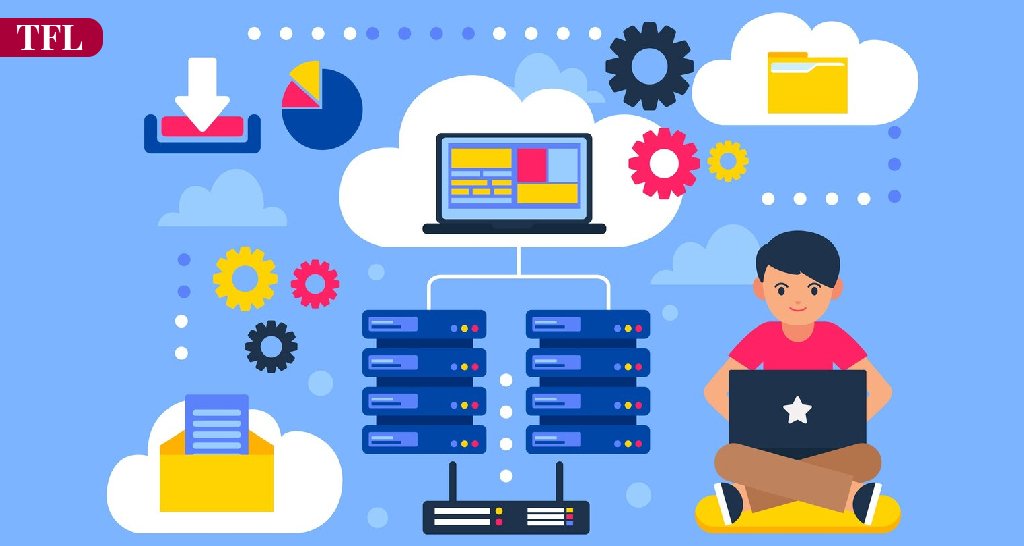
  • 10 Best Practices for Efficient Cloud Management

    10 Best Practices for Efficient Cloud Management

    In today’s rapidly evolving technological landscape, the cloud has emerged as the Key factor of modern IT infrastructure.

    It offers unparalleled scalability, flexibility, and accessibility. However, effective cloud management is crucial to leverage these benefits fully. Without proper oversight, cloud resources can quickly spiral out of control, leading to increased costs, security vulnerabilities, and operational inefficiencies.

    To help you navigate the complexities of cloud management, we’ve compiled a list of the top 10 best practices. Whether you’re a seasoned cloud architect or just getting started, these strategies will empower you to optimize your cloud environment for peak performance and reliability.

    1. Establish Clear Governance Policies: Define roles, responsibilities, and access controls to ensure accountability and compliance across your organization. Implement robust governance frameworks to manage resource allocation, security protocols, and budgetary constraints effectively.
    1. Embrace Automation: Leverage automation tools and DevOps practices to streamline provisioning, configuration, and management tasks. Automation reduces manual errors, accelerates deployment cycles, and improves overall agility.
    1. Monitor Performance Continuously: Implement comprehensive monitoring solutions to track key performance metrics, resource utilization, and application health. Real-time insights enable proactive problem resolution, capacity planning, and optimization of resource allocation.
    1. Optimize Resource Utilization: Analyze workload patterns and adjust resource allocation accordingly to eliminate waste and maximize cost-efficiency. Use auto-scaling and rightsizing techniques to match resources to demand dynamically.
    1. Prioritize Security: Implement multi-layered security measures to safeguard data, applications, and infrastructure from evolving threats. Encrypt sensitive data, enforce access controls, and regularly audit configurations to maintain compliance and mitigate risks.
    1. Backup and Disaster Recovery: Establish robust backup and disaster recovery strategies to protect critical assets and ensure business continuity. Regularly test backup procedures and implement failover mechanisms to minimize downtime in the event of a disaster.
    1. Cost Management: Monitor cloud spending closely and implement cost optimization strategies to align expenses with budgetary constraints. Utilize cost allocation tags, reserved instances, and spot instances to optimize spending without sacrificing performance.
    1. Regularly Update and Patch: Keep cloud resources up to date with the latest security patches and software updates to mitigate vulnerabilities and ensure system stability. Implement automated patch management processes to streamline maintenance tasks and minimize downtime.
    1. Implement Cloud-Native Solutions: Leverage cloud-native services and architectures to maximize scalability, resilience, and agility. Embrace serverless computing, containerization, and microservices to modernize applications and optimize resource utilization.
    1. Continuously Educate and Train: Invest in ongoing education and training for your team to stay abreast of emerging cloud technologies and best practices. Foster a culture of learning and experimentation to drive innovation and continuous improvement.

    By Following to these best practices, organizations can harness the full potential of the cloud while mitigating risks and optimizing costs. Cloud management is an ongoing journey, and staying vigilant in monitoring, optimizing, and securing your cloud environment is essential for long-term success in today’s digital age.

  • Microsoft Launches CoPilot for Finance, Upgrading Microsoft 365

    Microsoft Launches CoPilot for Finance, Upgrading Microsoft 365

    Microsoft has announced the launch of CoPilot for Finance, a innovative addition to its suite of productivity tools under Microsoft 365. This innovative software promises to convert financial management for businesses of all sizes.

    CoPilot for Finance leverages cutting-edge artificial intelligence and machine learning technologies to provide users with comprehensive financial insights and assistance. It offers real-time analysis of financial data, identifies trends, and suggests actionable strategies to optimize financial performance.

    By integrating smoothly with existing Microsoft 365 applications such as Excel, Outlook, and Teams, CoPilot for Finance streamlines workflows and enhances collaboration among finance teams. Users can expect increased efficiency in tasks such as budgeting, forecasting, and financial reporting.

    Satya Nadella, CEO of Microsoft, excitedly introduces CoPilot for Finance, an empowering innovation set to accelerate decision-making, boost growth, and foster innovation in financial management.

    Early adopters of CoPilot for Finance have already reported significant improvements in productivity and accuracy, praising its natural interface and actionable insights. With its launch, Microsoft aims to redefine the standard for financial management software and empower organizations to thrive in today’s dynamic business landscape.

    Stay tuned for further updates as CoPilot for Finance continues to revolutionize the way businesses manage their finances within the Microsoft 365 ecosystem.

  • Quantum Computing: The Next Frontier In Computing

    Quantum Computing: The Next Frontier In Computing

    Within the expansive realm of technological advancement, quantum computing emerges as a groundbreaking frontier, positioned to surpass the constraints of classical computing and redefine the parameters of computational potential. The convergence of physics and computer science presents a remarkable fusion, poised to propel us into uncharted territory. It dares to question the fundamental principles of computation while simultaneously offering exponential computational capabilities that have the potential to reshape our entire world.

    Exploring the Fundamental Principles of Quantum Mechanics

    To comprehend the immense possibilities of quantum computing, one must embark on a journey into the depths of quantum mechanics, the field of physics that elucidates the intricate dynamics of particles on a quantum scale. In contrast to classical mechanics, quantum mechanics presents captivating phenomena, namely superposition and entanglement. At the quantum level, particles have the ability to exist in a state of superposition, wherein they can simultaneously represent multiple states. In addition, particles can establish connections through a phenomenon known as entanglement. This remarkable property allows the state of one particle to become intrinsically linked to the state of another, irrespective of the physical separation between them. Quantum bits, commonly known as qubits, exploit these inherent characteristics to encode and manipulate information, thereby transcending the conventional binary limitations of classical bits, which are confined to representing either a 0 or a 1.

    The Quantum Advantage: Achieving Exponential Speed-Ups

    The inherent characteristics of qubits grant quantum computing with the remarkable capacity to solve intricate computational problems at an unparalleled speed efficiently. Algorithms specifically tailored for quantum computers possess the remarkable capability to achieve solutions at an exponential rate of speed when compared to their classical counterparts. One notable illustration is Shor’s algorithm, renowned for its ability to effectively factorize large numbers, a task that poses significant challenges for classical computers. The exponential acceleration in computational power holds immense potential to revolutionize various fields, from cryptography to drug discovery, with far-reaching implications.

    Quantum Cryptography: An Ambivalent Weapon

    The emergence of quantum computing signals a transformative shift in the field of cryptography. Classical encryption methods are currently confronted with the imminent risk of being rapidly decrypted by quantum computers. However, quantum cryptography presents an alluring prospect of providing encryption impervious to any attempts to break it. Quantum key distribution (QKD), for example, leverages the unique properties of quantum mechanics to ensure the utmost security in communication, effectively safeguarding against any potential decryption endeavors powered by quantum technology. The presence of this duality serves to emphasize the transformative essence of quantum computing, as it not only challenges established norms but also presents innovative solutions to the ever-evolving realm of security concerns.

    Quantum Simulation: Breakthrough in Discovery and Innovation

    The remarkable ability of quantum computing to simulate quantum systems on an unprecedented scale offers great potential for a wide range of scientific disciplines. From the comprehension of molecular interactions in the field of chemistry to the optimization of material properties in materials science, the utilization of quantum simulation has the potential to bring about a revolutionary transformation in our understanding of intricate phenomena. The inherent capacity for precision and efficiency in simulation presents an array of opportunities for expedited discoveries and innovations, thereby offering the potential to address challenges previously considered impossible by conventional computers.

    The Symbiotic Relationship between Quantum Computing and Machine Learning

    The convergence of quantum computing and machine learning is poised to create a highly promising synergy, offering the opportunity to catapult both disciplines into unprecedented levels of progress. Quantum algorithms have the potential to significantly enhance various tasks in machine learning, including pattern recognition, optimization, and data analysis. These tasks are fundamental components of the machine learning process. Through the strategic utilization of qubits’ inherent characteristics, quantum machine learning possesses the potential to enhance intricate systems and refine predictive models. This advancement holds the promise of transformative breakthroughs across diverse sectors, including personalized medicine, finance, and artificial intelligence.

    Taking on the Quantum Challenge: Dealing with Noise and Errors

    As we contemplate a future driven by quantum technology, it becomes evident that we are faced with significant challenges that demand our attention and resolution. Quantum systems exhibit a remarkable sensitivity to noise and errors arising from their interactions with the surrounding environment. The task of preserving the fragile quantum states of qubits in order to enable significant computational processes is a formidable undertaking. The pursuit of fault-tolerant quantum computing, which entails the ability to detect and rectify errors, is of utmost importance in the quest for dependable and scalable quantum machines. Dedicated researchers and technologists are currently engaged in the relentless pursuit of groundbreaking solutions to mitigate errors effectively and lay a solid foundation for the realization of practical quantum computing.

    Scalability and Quantum Hardware

    The progress towards achieving the complete potential of quantum computing relies heavily on the continuous advancements made in quantum hardware. The development of quantum hardware capable of effectively managing a significant number of qubits while preserving their quantum states for a substantial duration is an imperative pursuit. The advancement of materials science and engineering plays a crucial role in the attainment of this objective. Ongoing research efforts and the continuous advancement of technology will serve as catalysts for the emergence of powerful and adaptable quantum machines, propelling humanity deeper into the era of quantum computing.

    Conclusion: Quantum computing stands out as the pinnacle of a computing revolution, offering remarkable computational capabilities that transcend the limitations of classical computing. The dawn of the quantum era is upon us, promising a profound and far-reaching influence on society, science, and technology in the near future. As a collective of researchers, scientists, and technologists, we find ourselves on the cusp of a thrilling era. Through collaboration and innovation, we are poised to enter a future where the extraordinary capabilities of quantum computing will revolutionize the field of computation, paving the way for unprecedented realms of exploration and groundbreaking advancements. The road that lies ahead presents formidable challenges, yet its potential for revolutionary transformation is truly unparalleled.

  • The Rise of AI-Powered Customer Service

    The Rise of AI-Powered Customer Service

    In an era characterized by the constant evolution of technology and its impact on the business world, artificial intelligence (AI) has ushered in a new and transformative era for customer service. To deliver exceptional support and optimize operational efficiency, organizations have embraced AI-powered customer service as a groundbreaking solution that is reshaping the dynamics of customer-company interactions. The current paradigm shift is not simply a linear progression but a profound revelation. Artificial intelligence (AI) is actively working towards optimizing interactions, tailoring experiences, and laying the foundation for a future where customer service is not only more intelligent and efficient but also inherently more human.

    Machine learning serves as the cornerstone of AI-powered customer service

    Machine learning is central to this paradigm shift, a branch of artificial intelligence that empowers systems to acquire knowledge from data and progressively enhance their capabilities. Machine learning algorithms can efficiently analyze extensive volumes of customer data, thereby facilitating the identification of intricate patterns. This, in turn, empowers businesses to predict customer demands, detect anomalies accurately, and proactively anticipate emerging trends. By adopting a proactive approach, companies can effectively optimize their products and services, enhancing the overall customer experience to a greater extent.

    Understanding Human Language: The Potential of Natural Language Processing (NLP)

    Natural Language Processing (NLP) is a crucial component of Artificial Intelligence (AI), enabling machines to comprehend and effectively interact with human language. Chatbots and virtual assistants powered by Natural Language Processing (NLP) engage in customer conversations that resemble human-to-human communication. These entities driven by artificial intelligence can handle inquiries, resolve problems, and even provide product recommendations while maintaining a conversational and personalized manner. The outcome is a flawlessly integrated customer service experience that operates continuously, unrestricted by conventional business hours.

    The Utilization of Personalization: AI’s Fundamental Role in Customizing Customer Experiences

    Personalization stands as one of the remarkable contributions of artificial intelligence to the realm of customer service. By analyzing a customer’s previous interactions, purchase history, and online behavior, artificial intelligence can customize recommendations and suggestions, resulting in a personalized shopping or service experience. Implementing such a high degree of personalization cultivates a sense of customer loyalty and enhances overall satisfaction. This is because customers perceive themselves as valued and comprehended by the company.

    Predictive Analytics: Accurately Anticipating Customer Needs

    Furthermore, artificial intelligence has significantly enhanced customer service by implementing predictive analytics. By analyzing historical data and identifying recurring patterns, artificial intelligence can anticipate potential customer needs and concerns, enabling businesses to address them proactively. Envision a hypothetical situation in which artificial intelligence accurately anticipates a significant increase in customer inquiries after introducing a new product. This foresight prompts the company to strengthen its customer service infrastructure in preparation proactively. The ability to anticipate future needs and demands is of immense value, enabling businesses to cater to their customers’ requirements effectively.

    The Synergy of AI and Human Collaboration: Optimizing Customer Interaction

    However, it is important to note that incorporating artificial intelligence into customer service should be viewed as something other than a replacement for genuine human interaction. Instead, it enhances, enabling human agents to dedicate their attention to intricate and multifaceted tasks, while artificial intelligence takes care of mundane and repetitive inquiries. The seamless integration of artificial intelligence and human engagement guarantees a seamless fusion of effectiveness and compassion in customer interactions, exemplifying the essence of exceptional service.

    Ethical AI in Customer Service: Obstacles and Considerations

    Nevertheless, achieving widespread AI adoption in customer service has its fair share of challenges. The preservation of privacy, safeguarding of data security, and adherence to ethical principles in using artificial intelligence are paramount. Achieving a harmonious equilibrium between utilizing customer data to improve services and upholding privacy is a nuanced endeavor that demands a conscientious methodology and comprehensive regulatory structures.

    Ensuring Round-the-Clock Availability: Fulfilling Customer Expectations in Real-Time

    AI-powered chatbots and virtual assistants guarantee uninterrupted availability to address customer inquiries at any time of the day. Customers frequently expect immediate responses, and artificial intelligence (AI) is crucial in meeting these demands. By leveraging AI technology, businesses can ensure customer inquiries are promptly acknowledged and addressed, even outside regular business hours. The increased accessibility greatly contributes to customer satisfaction and cultivates a favorable brand perception.

    Protecting Customer Interactions Through Improved Fraud Detection and Security

    Artificial intelligence (AI) plays a crucial role in the realm of fraud detection and security in the context of customer service. Artificial intelligence algorithms can identify atypical patterns or behaviors that could potentially signify fraudulent activity, thereby safeguarding the interests of the business entity and its clientele. Implementing this proactive security measure is paramount in upholding trust and credibility in customer interactions.

    Adapting to the needs of the customer via continuous improvement

    The capacity of AI to acquire knowledge and adjust its behavior over time facilitates an ongoing enhancement in the realm of customer service. By thoroughly analyzing previous interactions and considering customer feedback, AI systems can consistently enhance their responses and strategies. The iterative learning process guarantees the ongoing effectiveness and relevance of customer service, adapting to customers’ ever-evolving preferences and needs.

    The Integration of Artificial Intelligence with Empathy and Emotional Intelligence: A Humanistic Approach

    Artificial intelligence (AI) has demonstrated remarkable proficiency in efficiency and data processing tasks. However, there is a burgeoning emphasis on integrating empathy and emotional intelligence into AI-powered interactions. Developing artificial intelligence (AI) systems that can identify and react to emotions, demonstrate empathy towards customer concerns, and provide reassuring responses is a crucial link between technology and human connection. This advancement significantly enhances the significance of customer interactions, imbuing them with a deeper sense of meaning.

    Conclusion

    The emergence of AI-powered customer service exemplifies a transformative era wherein ongoing innovation consistently redefines the dynamics of business-client interactions. The convergence of machine learning, natural language processing, predictive analytics, and personalization has propelled the field of customer service into unparalleled efficiency and a heightened focus on customer-centricity. Despite the ongoing challenges, it is undeniable that artificial intelligence has the potential to reshape the customer service landscape completely. As enterprises wholeheartedly adopt this paradigm shift, the forthcoming era holds the potential for a seamless convergence of artificial intelligence and human interaction, culminating in an unrivaled level of customer contentment and propelling triumph in the cutthroat marketplace.


  • The Impact Of Technology On The Future Of Food

    The Impact Of Technology On The Future Of Food

    Within the vast tapestry of human history, the resounding symphony of progress emerges due to the seamless fusion between the forces of innovation and necessity. In the present moment, we are immersed in a transformative period wherein technology has evolved beyond being a mere companion to assume the role of a masterful conductor, orchestrating profound shifts in all facets of our existence. A profound metamorphosis is underway in the sustenance realm, which lies at the core of our being. This metamorphosis pertains to the future of food, a subject of utmost importance.

    Precision Agriculture: Crop Data Cultivation

    Within the vast expanse of the agricultural realm, a profound transformation is taking place—a phenomenon known as precision agriculture is emerging. While still productive, conventional practices of agriculture are transforming data-centric precision farming. Contemporary farmers employ advanced tools, encompassing sensors, drones, and satellite imaging, to acquire instantaneous and valuable information about their agricultural produce. These advanced technologies offer insights into soil health, weather patterns, and crop growth, empowering farmers to maximize their planting, irrigation, and fertilization practices. Through the utilization of data analytics, farmers possess the ability to make well-informed decisions that not only contribute to the conservation of valuable resources but also enable them to optimize yields. This, in turn, fosters the implementation of sustainable agricultural practices, which are crucial in meeting the needs of a rapidly expanding global population.

    Genetic Alchemy: Customizing Crops for the Future

    As the sun descends upon the age-old practices of traditional farming, a new era emerges, characterized by the advent of genetic engineering and biotechnology. Scientists are currently involved in a fascinating endeavor known as genetic alchemy, wherein they skillfully manipulate the DNA of crops to fulfill precise specifications. Genetic modification, frequently facilitated by genetically modified organisms (GMOs), has emerged as a formidable and influential tool. This technique can augment the nutritional value, bolster resistance against pests and diseases, and tailor crops to thrive in various environmental conditions. Genetically modified organisms (GMOs) possess the capacity to effectively tackle the pressing issues of malnutrition and food scarcity on a worldwide level. Furthermore, they offer the added advantage of substantially diminishing post-harvest losses using extended shelf life variations.

    Culinary Renaissance: Meat Without the Livestock

    At the core of our dining experience resides a profound metamorphosis. The advent of laboratory-cultivated meat and plant-based substitutes fundamentally transforms our consumption patterns. Cultivating meat in a laboratory setting, derived from animal cells and nurtured within a meticulously controlled environment, presents a compelling and conscientious substitute for conventional livestock agriculture. This solution offers great promise in addressing meat production’s environmental impact and ethical concerns associated with animal agriculture. In parallel, there is a growing trend in the development of plant-based alternatives that aim to faithfully mimic the flavor and consistency of meat, appealing to the preferences of vegans and individuals who prioritize environmental sustainability.

    Art and Science in the Kitchen: AI’s Culinary Canvas

    The culinary world has been significantly impacted by the introduction of Artificial Intelligence (AI) and Machine Learning (ML), each offering its distinct contributions. In the future kitchen, artificial intelligence algorithms diligently analyze consumer preferences and market trends, skillfully optimizing the processes of food production, distribution, and marketing strategies. In culinary operations, automation systems and robots have achieved remarkable food preparation, packaging, and delivery proficiency. The convergence of artistry and scientific principles within the culinary realm fosters an enhanced, tailored, and immensely gratifying gastronomic encounter.

    Creating Trust Through Blockchain and Food Traceability

    Trust plays a pivotal role in the realm of food, and the utilization of blockchain technology is steadily gaining recognition as a powerful instrument to augment it. Through the implementation of blockchain technology, the establishment of transparent and traceable supply chains becomes possible. This innovative approach guarantees that consumers are empowered with the ability to meticulously track the entire journey of their food, right from its origin on the farm to its ultimate destination on their plates. The practice fosters a sense of trust and amplifies accountability within the food industry. In addition, Internet of Things (IoT) devices play a crucial role in monitoring storage and transportation conditions, thereby providing consumers with the assurance of consuming safe and high-quality food.

    Virtual and augmented gastronomy: Going Beyond Reality

    The trajectory of food experiences is poised to transcend the banal, delving into the uncharted territories of augmented reality (AR) and virtual reality (VR). Augmented reality (AR) applications offer the ability to obtain instantaneous nutritional information and provide recipe recommendations by scanning food items. In contrast, virtual reality (VR) presents a remarkable opportunity to engage in immersive cooking classes and partake in extraordinary dining experiences, revolutionizing culinary education and entertainment. The integration of technology enhances our gastronomic exploration, captivating both the intellect and the taste buds.

    Tackling the Challenge of Waste: Innovations in Packaging and Preservation

    Technology is playing a pivotal role in the endeavor to create a sustainable future by significantly reducing food waste. Cutting-edge packaging solutions, advanced preservation methods, and state-of-the-art recycling technologies are currently under development. Utilizing cutting-edge technology, intelligent packaging integrated with advanced sensors diligently tracks the optimal freshness of its contents, promptly alerting consumers regarding expiration dates. This revolutionary system effectively curtails excessive waste, fostering a more sustainable and environmentally conscious approach. Adopting this environmentally conscious approach aligns with our shared duty to responsibly manage and protect the environment.

    Conclusion The landscape of food’s future is adorned with vivid shades of technological progress. From the realm of precision agriculture to the realm of genetic engineering and from the emergence of AI-powered kitchens to the development of sustainable alternatives, the array of possibilities that lie before us is extensive and brimming with promise. To shape a future characterized by an abundance of food that is easily accessible and in harmony with our planet, we must exercise prudence and foresight in harnessing the power of technology. As we embark upon the journey into the future, let each morsel we consume serve as a testament to our profound capacity for responsible innovation. May our sustenance not only nourish our physical beings but also contribute to the well-being of our planet.

  • The Future Of Work: What It Means For Businesses And Employees

    The Future Of Work: What It Means For Businesses And Employees

    The world of labor is transforming at a rate that has never been seen before, spurred on by developments in technology, altering demographics, and changing views in society. The way in which companies run, and the way in which individuals interact with their jobs are both being disrupted by this shift. In order to comprehend what the working world will look like in the foreseeable future, we need to investigate the forces that are driving this transformation, as well as the effects these forces will have on companies and their personnel.

    Innovations in technology and increased mechanization:

    Rapid technological innovation, in particular that which relates to artificial intelligence (AI), robots, and automation, is one of the most important variables that will have a significant impact on the future of employment. There is a growing trend toward the incorporation of automation into a variety of different businesses, from manufacturing to customer service. Automation is being used for activities that are routine and repetitive, freeing workers to concentrate on areas of their jobs that need a higher level of complexity, creativity, and strategic thinking. This results in enhanced efficiency, a decrease in the number of mistakes made, and cost savings for enterprises. On the other hand, it raises worries about job displacement and the need for upskilling and reskilling in order to stay relevant in a workforce that is becoming more automated.

    Workplaces that are Remotely Occupied and Hybrid:

    The COVID-19 epidemic increased the acceptance of remote work, proving that many tasks can be efficiently completed from home. This led to an increase in the number of companies offering remote work opportunities. This trend has led to the growth of hybrid work models, in which workers divide their time between working remotely and in the office. These models have become more popular as a result of this transition. In an effort to both recruit and keep skilled workers, businesses are reconsidering the layout of their offices and adopting more flexible working arrangements. Hybrid models provide workers with a better work-life balance and less time spent commuting, but they also present obstacles to cooperation, communication, and the preservation of business culture.

    The Freelancing and the Gig Economy:

    Freelancing and other forms of employment based on contracts are attracting a growing number of employees, which is driving the fast expansion of the gig economy. Platforms that allow freelancers to connect with businesses are becoming more popular. These platforms provide businesses with access to a wide pool of talent while also allowing freelancers the freedom to pick their projects and set their hours. Because of this development, organizations now can have access to specialized expertise on demand while also successfully managing expenses. However, this does bring up questions about job security and benefits, as well as the need to develop a safety net for those who work in the gig economy.

    Pay Attention to the Physical and Emotional Health of Your Staff:

    The future of work will put a greater focus on the health and happiness of workers, in recognition of the fact that a productive and successful company depends on having a staff that is in good physical and mental shape. In order to better assist their workforce, employers are increasingly investing in programs for mental health, flexible work schedules, and wellness initiatives. Working remotely has brought to light the need to clearly delineate the boundaries between one’s personal life and professional life in order to avoid burnout and preserve one’s mental health.

    The principles of Diversity, Equity, and Inclusion:

    There has been a recent uptick in corporate consciousness on the significance of diversity, equality, and inclusion in the workplace. There is now an effort being made to establish a more inclusive workplace that appreciates all of its workers and encourages varied points of view. Companies are reassessing their employment procedures, rules, and cultures in order to guarantee that everyone is treated fairly, has equal opportunity, and feels like they belong in the company. This not only brings firms into conformity with ethical values but it also makes organizational innovation and decision-making more effective.

    Continuous Skill Development and Ongoing Education Throughout a Lifetime:

    Continuous education and the cultivation of new skills are becoming more important for workers to pursue in order to keep up with the ever-shifting nature of the modern workplace. In order to assist their workers in adjusting to evolving technology and requirements for the jobs they hold, employers are making investments in training programs, upskilling efforts, and mentoring. Learning that continues throughout one’s life has gone from being something that people and companies may choose to do to being something that must be done.

    Work that is Both Self-Sustaining and Driven by a Higher Purpose:

    Businesses are becoming more aware of the duty that falls on their shoulders on issues of social and environmental effects. There is a rising movement in the direction of incorporating sustainable practices into corporate operations with the intention of making a constructive impact on both society and the environment. Employees are increasingly looking for purpose and meaning in the job that they do. In response, businesses are connecting their objectives with the aims of society in order to attract and keep talented employees.

    Conclusion The world of work in the future will be a dynamic terrain that is molded by technology breakthroughs, shifting work patterns, a focus on well-being and inclusion, and a growing need for work that is purpose-driven and involves constant learning. In order for businesses to maintain their competitive edge and continue to recruit skilled workers, they need to accept these changes and adjust. On the other side, employees have a responsibility to take initiative in the process of growing their talents, maintaining their flexibility, and matching their beliefs with the businesses they choose to be a part of. The landscape of work in the future presents an enormous possibility for development and creativity. Still, the key to achievement rests in deftly navigating and enthusiastically embracing the disruptive transformations that are occurring.

  • Safeguarding Your Business Against Cybersecurity Threats

    Safeguarding Your Business Against Cybersecurity Threats

    In a world that is becoming more and more computerized, organizations are facing an expanding number of cybersecurity risks, any one of which might have catastrophic effects. The constantly shifting world of cyber threats calls for security measures that are both proactive and resilient. Examples of this include data breaches and ransomware assaults. It is essential for the maintenance of trust, the protection of sensitive information, and the continuation of business operations that your company takes precautions against the risks posed by these threats. In this post, we will outline critical tactics that may be used to safeguard your company from the most recent cybersecurity attacks.

    Carry out a Detailed Analysis of the Dangers:

    The first step in developing an effective cybersecurity plan for your company is to have an understanding of the unique risks that your company confronts. Carry out an exhaustive risk assessment in order to locate any possible flaws in your organizational processes, procedures, and policies. Consider using the services of cybersecurity professionals to carry out penetration testing and vulnerability scanning in order to unearth previously unknown dangers.

    Provide Employees with Education and Training:

    Errors caused by humans continue to be a major contributor to breaches in cybersecurity. It is essential to provide personnel with thorough training on the best practices for cybersecurity. Employees need to be trained to recognize phishing efforts, develop formidable passwords, and communicate securely over channels that are encrypted. A considerable reduction in the likelihood of a successful cyber assault may be achieved by the implementation of routine training and information dissemination on newly discovered dangers.

    Put into practice multi-factor authentication (also known as MFA):

    Users are required to prove their identity using a variety of credentials in order to take advantage of multi-factor authentication (MFA), which provides an additional layer of protection. Passwords, biometrics, smart cards, or one-time passcodes may all be used in conjunction with one another for this purpose. The use of multi-factor authentication (MFA) to get access to essential computer systems and sensitive information considerably strengthens security. It makes it more difficult for hackers to gain illegal entry.

    Perform Routine System Updates and Patch Work:

    Software and operating systems that have been out of date for a long time are simple targets for cyberattacks. Maintaining all of your software, including your security software, with the most recent updates and patches will guarantee that you have the most up-to-date safety features and defenses against known vulnerabilities. Establish a procedure to enable the prompt application of fixes for newly found vulnerabilities in order to reduce your level of exposure.

    Implement State-of-the-Art Firewalls and Intrusion Detection Systems (IDS):

    The prevention of illegal access to your network is significantly aided by the use of firewalls and intrusion detection systems (IDS). Modern firewalls are able to filter both incoming and outgoing information, allowing them to detect and stop potentially malicious activity. Combine this with an intrusion detection system (IDS) to monitor traffic on a network for strange patterns and any security breaches. This will enable a fast reaction to eliminate any potential dangers.

    Make frequent and secure backups of your data:

    The practice of regularly backing up one’s data is an essential component of sound cybersecurity. Your most important data should be backed up on a regular basis, and you should take precautions to ensure that the backups are kept in a safe area that is disconnected from the core network. In the event that a data breach or cyber assault is successful, it is important to have a robust data recovery strategy in place to reduce the amount of downtime experienced.

    Create a strategy for dealing with incidents:

    When a cyber event happens, the procedures to follow should be clearly outlined in an incident response plan. It should identify roles, responsibilities, and communication processes so that a cybersecurity event may be efficiently managed and its effects reduced. This strategy should be tested on a regular basis and updated to ensure that it continues to be successful in responding to changing cyber threats.

    Encrypt All Private Information:

    It is essential to encrypt sensitive data not only while it is in transit but also while it is stored in order to keep your company’s information secure. Data that has been encrypted is transformed into a coded format that requires the corresponding encryption key in order to be accessed. Data is safeguarded by this method even in the event that unauthorized individuals steal it.

    Implement Access Controls and Place Boundaries on Privileges:

    Put in place stringent access restrictions, and make sure that workers may only access the information and systems that are relevant to their jobs. Access permissions should be reviewed and updated on a regular basis, and workers who no longer need access should have their access revoked. In addition, restrict administrative powers to lower the possibility of attacks coming from inside the organization.

    Keep an eye on the behavior and activity of the network:

    Install powerful network monitoring tools that examine the behavior of users on the network as well as network traffic in order to identify abnormalities and possible security breaches. Continuous monitoring allows for the early discovery and prompt reaction to security issues, hence limiting the amount of harm that may be caused and the possibility of data loss.

    Put in place protection for endpoints:

    Ensure the safety of all devices (computers, mobile devices, and so on) that are linked to your network by using cutting-edge endpoint protection solutions. These systems are able to identify and prevent malware, ransomware, and other types of threats that may attack endpoints.

    Conclusion

    In order to safeguard your company from the most recent cybersecurity threats, you will need to implement a comprehensive strategy that includes technology, training, policy, and preventative measures. You may dramatically improve your company’s resilience against ever-evolving cyber threats by investing in cybersecurity measures, training staff, and keeping current on the newest threats and responses. Maintain vigilance, be flexible in the face of changing circumstances, and make cybersecurity a top priority to preserve the long-term prosperity and safety of your company.

  • How To Use Web3 And The Metaverse To Grow Your Business

    How To Use Web3 And The Metaverse To Grow Your Business

    The development of Web3 and the metaverse in recent years has been made possible by the confluence of blockchain technology, decentralized apps, and virtual reality. This has had the effect of changing the landscape of corporate operations and prospects. A paradigm change from the previous centralized forms of the internet to decentralized, peer-to-peer network architecture is represented by Web3. When coupled with the metaverse, a virtual realm in which individuals are able to communicate and engage with one another, companies have the potential to grow and succeed that has never been seen before. This article examines the ways in which companies might make use of Web3 and the metaverse to stimulate development and innovation inside their organizations.

    Comprehending Web3 and the Advantages It Offers

    The term “Web3” refers to an emerging model of internet technology that is founded on the tenets of decentralization, transparency, and trustlessness. It does this by using blockchain technology to make it possible for transactions and interactions to take place directly between users without the need for any third parties. The following is a list of the primary advantages that Web3 offers to companies:

    • Enhanced Security: Both transactions and data are encrypted, making it less likely that there would be a data leak or a cyberattack.
    • Transparency: The fact that Web3 is decentralized makes it possible to conduct transactions openly and honestly, which fosters trust among users.
    • Ownership and Control: Users maintain control over their data as well as their digital assets, which results in improved ownership and privacy.
    • Interoperability: Web3’s capacity to promote interoperability across various platforms and applications, which in turn encourages cooperation and integration, is known as interoperability.

    Utilizing Blockchain Technology and Digital Contracts

    The distributed ledger technology known as blockchain is an essential component of Web3; it records transactions in a way that is both secure and transparent. Transactions may be automated and done without the need for trust when using smart contracts, which are agreements that can execute themselves and have their terms encoded straight into code. The following are some of the business applications for blockchain and smart contracts:

    • Supply Chain Management: Utilizing blockchain technology for monitoring and confirming the genuineness of items at every stage of the supply chain.
    • Royalty Distribution: Using smart contracts to automate the distribution of royalties to content producers in order to ensure that they are adequately compensated.
    • Tokenization of Assets: The process of converting physical assets, such as real estate or artwork, into digital tokens, which enables fractional ownership and opens up more investment options.
    • Participating in Decentralized Finance (DeFi): protocols in order to engage in decentralized lending, borrowing, and investing without the need for conventional intermediaries.

    Establishing Oneself as a Realm in the Metaverse

    The metaverse is a digital, linked environment in which people may communicate with one another, conduct business, and take part in activities. The following are some of the ways in which companies might build a presence in the metaverse:

    • Virtual Showrooms and Stores: The process of creating virtual environments to exhibit items and services and allowing users to explore and make purchases inside an immersive environment.
    • Hosting Virtual Events and Conferences: In the metaverse, you may host virtual events, seminars, and conferences to connect with a worldwide audience and display your knowledge.
    • Developing Branded Virtual Assets: This involves creating branded virtual assets, also known as NFTs (Non-Fungible Tokens), that users may collect, trade, and utilize inside the metaverse in order to encourage brand loyalty.
    • Advertising and Sponsorships in the Metaverse: This refers to the practice of engaging in advertising and sponsorships inside the metaverse in order to attract a digitally native audience and increase brand recognition.

    Non-Financial Transactions and Digital Collectibles

    NFTs, also known as non-fungible tokens, are one-of-a-kind digital assets that can be confirmed using blockchain technology. These assets indicate ownership or evidence of the genuineness of a digital object. Companies may use NFTs for the following:

    • Creating Limited Editions: The practice of releasing limited edition digital items or collectibles in the form of NFTs in order to provide a feeling of scarcity and increase the item’s worth.
    • Rewarding Customer Loyalty: The practice of issuing NFTs as prizes for customer loyalty programs, with the goals of encouraging repeat business and participation.
    • Monetizing Digital Content: By offering an extra income stream for authors and companies by selling non-fungible tokens (NFTs) that provide access to unique digital content.
    • Collaborations and relationships: Working together with artists or influencers to develop new forms of content (NFTs) that accurately reflect the brand, cultivating relationships and increasing the scope of one’s audience.

    Participation and the Promotion of Community

    For a company to be successful in the metaverse and on the Web3, community participation is essential. Engaging with the community and fostering its growth is possible for businesses by:

    • Creating Social Virtual Spaces: This involves developing online locations where users may engage in conversation with one another and the company, therefore establishing a feeling of community.
    • Community Governance: The practice of including members of the community in decision-making processes by using decentralized governance models to increase trust and transparency.
    • Gamification and Incentives: The use of gamification components and the provision of incentives such as tokens or non-fungible tokens in order to encourage engagement and involvement.
    • Content Creation and Sharing: Encouraging in user-generated content and sharing within the community to enhance the exposure of the brand and maintain its authenticity.

    Conclusion

    Businesses have a revolutionary potential to innovate, grow, and connect with a global audience in ways that were not before imaginable thanks to Web3 and the metaverse, which provide this possibility. Businesses have the potential to stimulate development, improve consumer engagement, and pave the path for a decentralized and interconnected digital future if they adopt blockchain technology, create non-fungible tokens (NFTs), and establish a presence in the metaverse. In order for organizations to maintain their competitive edge and position themselves for sustained success, they need to comprehend the changing environment and make adjustments accordingly.

  • Exploring Ethical Concerns Surrounding Facial Recognition Technology

    Exploring Ethical Concerns Surrounding Facial Recognition Technology

    The advent of facial recognition technology, a remarkable achievement of the digital era, has brought forth a significant ethical quandary. This difficulty revolves around the delicate balance that must be struck between safeguarding individual privacy and upholding the crucial need for security. The system functions by capturing and analyzing distinct facial patterns, raising a crucial inquiry: can true consent be obtained when surveillance occurs without explicit awareness? This section explores the intricate ethical dimensions of consent and the consequences of ubiquitous surveillance, prompting contemplation on the transformation of privacy in our rapidly advancing technological society.

    The Orwellian Dilemma: The Clash Between Democracy and the Surveillance State

    The advent of facial recognition technology presents a profound ethical difficulty as it confronts us with the delicate balance between the potential advantages it offers to society and the looming threat of an all-encompassing surveillance apparatus. Within this particular framework, the fundamental principles of democracy and civil liberties are precarious. While this cutting-edge technology holds the potential for enhanced security and efficiency, it simultaneously presents a formidable challenge to the very essence of democratic societies. In this section, we delve into the potential implications of facial recognition technology on democracy, highlighting the imperative for stringent regulation and widespread societal consciousness to safeguard individual liberties and uphold democratic values.

    In democratic societies, the delicate equilibrium between security and personal freedom is paramount. The unregulated advancement of facial recognition technology has the potential to disrupt this equilibrium, thereby paving the way for a society under constant surveillance reminiscent of the ominous worlds depicted in dystopian literature. The notion of ubiquitous monitoring, wherein every movement is meticulously tracked and documented, poses a profound challenge to the fundamental principles of democracy and civil liberties.

    On the one hand, proponents argue that enhanced security is a compelling reason to embrace facial recognition technology. They contend that its ability to identify criminals accurately can play a crucial role in crime prevention and improve public safety. However, suppose this technology is allowed to increase without proper oversight. In that case, it has the potential to create a society in which the government or influential entities possess excessive control and surveillance capabilities. This could result in the suppression of dissent and the restriction of individual freedoms.

    Unveiling Bias: The Impact of Algorithms on Fair Representation

    Facial recognition technology presents various ethical challenges, with algorithmic bias being a particularly noteworthy concern. The efficacy of these algorithms hinges upon the utilization of comprehensive datasets. However, it is crucial to consider the possibility of accidentally incorporating societal biases within these datasets. This outcome gives rise to a technological system that may encounter difficulties accurately discerning individuals from various backgrounds, raising concerns regarding fairness and justice. In this section, we delve into the intricate nature of algorithmic bias in facial recognition technology and emphasize the crucial need to address and mitigate these biases to uphold ethical principles.

    At the core of this remarkable technological marvel resides a fundamental imperfection—algorithmic bias. The efficacy of facial recognition technology algorithms is directly dependent on the quality and comprehensiveness of the data used for their training. When the data is skewed or biased towards a specific race, gender, or ethnicity, the technology inherently exhibits prejudice. While it may exhibit accuracy in identifying individuals from the majority group, its performance tends to falter when confronted with diverse faces.

    The Misuse and Deepfakes: Unveiling the Dark Underbelly of Facial Recognition Technology

    This section sheds light on the darker facets of facial recognition technology, delving into the potential for misuse and the emergence of deepfakes. Using AI to manipulate faces, voices, and actions presents many disconcerting ethical considerations, encompassing stalking, harassment, and identity theft. The improper utilization of this technology highlights the imperative for conscientious advancement and rigorous regulations. The escalating presence of deepfakes serves as a stark reminder of the dangerous ramifications that arise when facial recognition technology is coupled with malicious intentions. Consequently, we must engage in immediate and profound ethical deliberations while developing comprehensive strategies to counteract this pervasive digital menace effectively.

    Although facial recognition technology shows great potential, it also presents a troubling possibility for misuse. The emergence of deepfakes, which can be attributed to the progress made in facial recognition technology, is a striking illustration of the negative implications of this technological advancement. Deepfakes encompass the intricate process of fabricating exceptionally lifelike videos or audio recordings through artificial intelligence. These creations frequently showcase genuine individuals engaging in actions or uttering statements they have never performed or spoken.

    Regulating Tomorrow: Achieving the Ethical Equilibrium

    In the quest for responsible integration, implementing effective regulation becomes essential. Achieving a harmonious ethical equilibrium necessitates the development of well-defined protocols for the collection, storage, consent, and utilization of data. A well-considered regulatory framework has the potential to cultivate the conscientious advancement and implementation of facial recognition technology, guaranteeing its adherence to societal values and the preservation of individual rights. This section advocates for a proactive approach, emphasizing the necessity of implementing stringent regulations to guide the development and application of facial recognition technology toward ethical use.

    To adequately address the ethical dimensions associated with facial recognition technology, it is imperative to establish a comprehensive regulatory framework. The framework should incorporate comprehensive guidelines about collecting, storing, and utilizing facial data. The integration of transparency and accountability is crucial in this technology’s development and deployment phases. Furthermore, explicit consent must be obtained from individuals, particularly when their facial data is implicated.

    Conclusion

    In this pivotal moment, where technology intertwines deeply with our lives, we must collectively navigate the ethical path. The decisions we make in the present will profoundly influence the trajectory of facial recognition technology and its implications for society. It is incumbent upon us to shoulder the responsibility of ensuring that innovation is harnessed to benefit humanity while upholding unwavering ethical standards and demonstrating the utmost respect for the dignity and privacy of every individual. Our path requires deliberate choices and a shared sense of watchfulness. Ultimately, this path shapes the moral impact of our interconnected digital world.